Gothenburg's neighbourhoods: which one suits you?
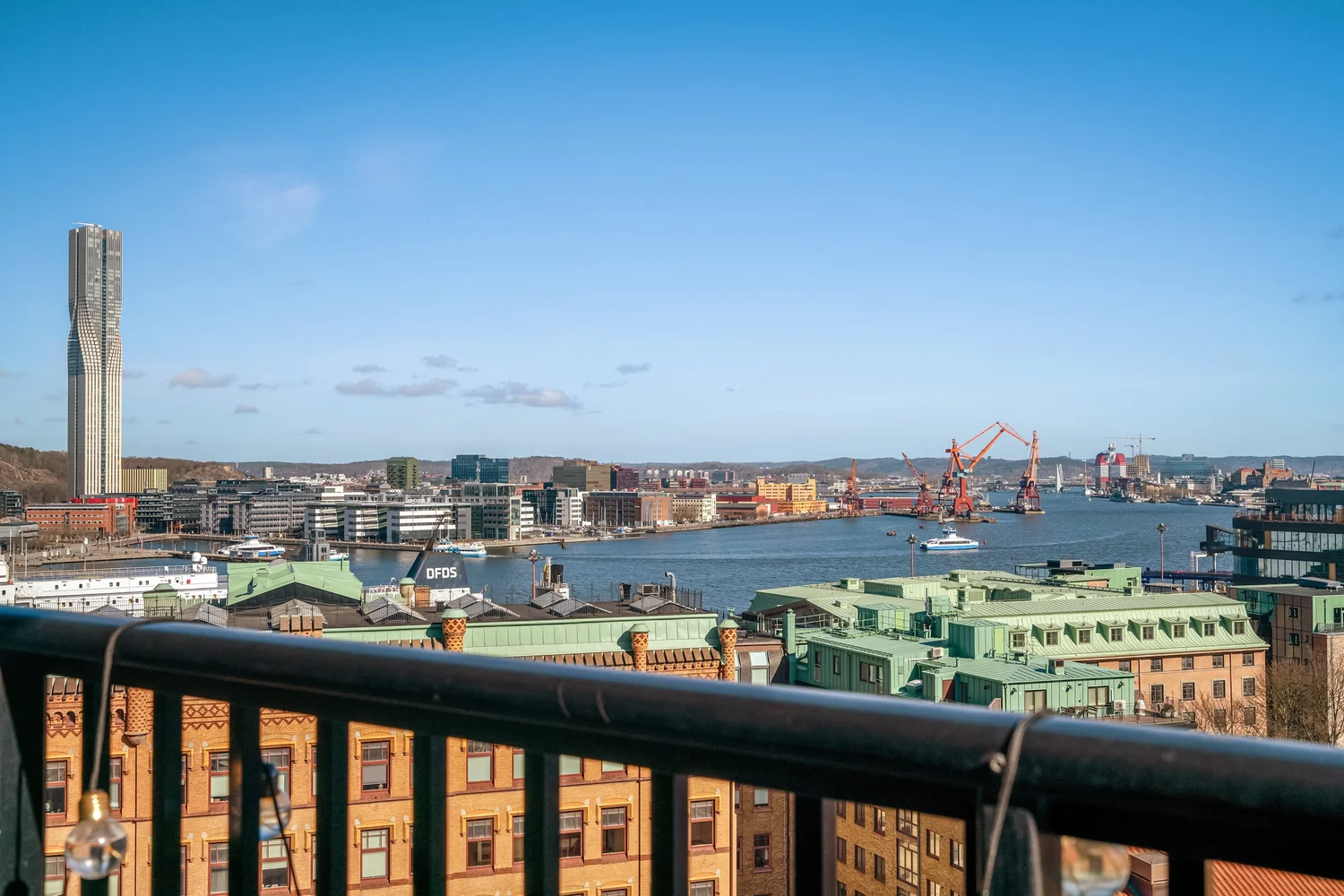
Gothenburg is small enough to find your way around quickly, and yet every neighbourhood has its own character. If you come from a big city such as Berlin, Hamburg or Munich, you'll know the feeling: your address says a lot about how you live.
This guide gives you an honest overview of the neighbourhoods where most newcomers end up: what they cost, what they feel like, and who they really suit.
Linnéstaden
If Gothenburg had a Prenzlauer Berg (Berlin's sought-after neighbourhood of period buildings and cafés), it would be Linnéstaden. Late-19th-century façades, cafés, restaurants, lively street life, and Linnégatan as the main artery with everything you need.
Popular with: young professionals, couples, people who want inner-city life without big-city noise.
Rent (second-hand market, andrahand):
- 1 room: 8,000–10,000 SEK/month
- 2 rooms: 11,000–14,000 SEK/month
Pros: central, walkable, good atmosphere, lots of life on the streets.
Cons: high demand, flats go fast, often within hours. Expensive for the size.
Majorna
Quieter than Linnéstaden, but only a few streets away. Majorna has something of a village in the city about it: old wooden houses, wide avenues, a relaxed community. People here know their neighbours.
Popular with: families, people who want to stay longer, anyone looking for peace and quiet without giving up the city.
Rent (second-hand market, andrahand):
- 1 room: 7,500–9,500 SEK/month
- 2 rooms: 10,000–13,000 SEK/month
Pros: cosy, family-friendly, cheaper than Linnéstaden, plenty of förskolor (preschools).
Cons: not much going on at night. If going out is a priority, you'll have to travel a few stops.
Haga
The historic heart of the city. Cobblestones, antique shops, the famous Haga buns. Touristy, charming, and almost out of reach as a place to live.
Flats in Haga rarely become available, and when they do, it's at prices to match. As a newcomer without a Swedish credit history, Haga isn't a realistic starting point.
Who lives here: people who have often been here for a very long time.
Rent: if available at all: 10,000–15,000 SEK for 1–2 rooms.
Verdict: lovely for a stroll. Don't plan on it as a place to live when you first arrive.
Vasastan / Johanneberg
Vasastan is the academic neighbourhood: the university, Chalmers, lots of students and PhD candidates. That gives the area energy, but also a certain turnover. Johanneberg, right next door, is a bit quieter and a bit more expensive.
Popular with: academics, students, professionals who want to live centrally.
Rent (second-hand market, andrahand):
- 1 room: 7,500–10,000 SEK/month
- 2 rooms: 10,500–14,000 SEK/month
Pros: central, good transport links, lively, green parks nearby.
Cons: parking is scarce, lots of student turnover, sought-after locations go quickly.
Hisingen
The large island north of the Göta älv river, and the most underrated part of the city. Hisingen isn't one uniform neighbourhood but a collection of very different areas: Eriksberg (modern, near the harbour, more expensive), Kvillebäcken (new builds, growing), Biskopsgården (affordable, multicultural, further out).
Popular with: people on a smaller budget, families who need space, anyone who likes new builds.
Rent (second-hand market, andrahand):
- 2 rooms in Eriksberg: 10,000–13,000 SEK/month
- 2 rooms in Kvillebäcken: 8,500–11,000 SEK/month
Pros: cheaper than the city centre, good tram links (10–15 minutes to the centre), lots of new-build projects.
Cons: varies hugely depending on where on Hisingen you are. Eriksberg feels like a different city from Biskopsgården.
Mölndal and Partille (suburbs)
If you need space and have a car, don't rule out the suburbs to the south and east. Mölndal (to the south, 10 minutes by train) and Partille (to the east) offer considerably more living space for less money, with good public transport links to Gothenburg.
Popular with: families with children, anyone saving up for a bostadsrätt (cooperative flat) or a terraced house.
Rent:
- 3 rooms in Mölndal: 11,000–15,000 SEK/month
Pros: more space, quieter, cheaper, good schools and förskolor.
Cons: no city life. If you want to go out for dinner on a whim in the evening, you'll have to travel.
Askim / Hovås (the coast)
South of Gothenburg, right by the water: this is the address for people who arrive in Sweden and want to stay. Detached houses, villas, a jetty into the sea. Prices to match.
Almost impossible to get into as a tenant, but a long-term goal for many buyers.
Purchase prices:
- Terraced house (approx. 120 m²): 4–6 million SEK
- Detached house with a sea view: 8–20 million SEK
Where to start?
If you don't have a Swedish credit history yet and need a flat quickly: Hisingen or Mölndal. More on offer, more realistic entry prices, and still good transport links.
If you have time and want city life: Linnéstaden or Majorna. Check Blocket every day, respond quickly, and write a personal cover letter.
If you want to buy: feel free to get in touch. I know the estate agents who will explain the market to you honestly.
