Allemansrätten: what you're really allowed to do in Sweden's countryside
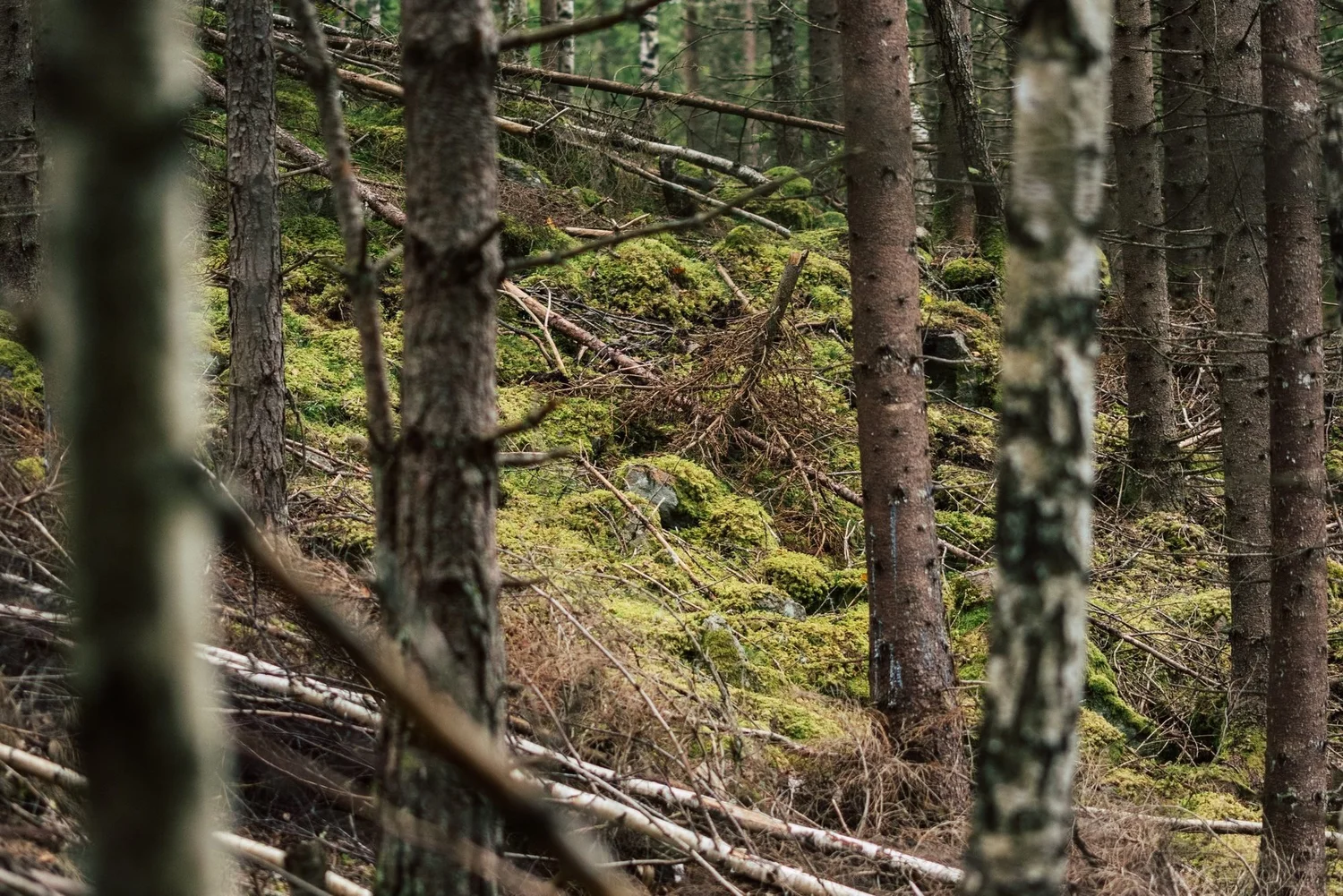
When I first walked through a forest near Gothenburg in 2022, I turned round and asked myself: am I even allowed to be here? Back in Germany, I would have looked for a "Keep out" sign, a fence, a path. Here there was nothing. A carpet of moss, pine trees, light between the branches. And somewhere further in, a tent that had obviously been standing there since the night before.
That was my first encounter with allemansrätten, the Swedish right of public access. And probably the most important cultural difference between Sweden and where many of us come from, one that nobody properly explains before you arrive.
What allemansrätten really means
Allemansrätten, literally "everyone's right", is enshrined in the Swedish constitution (Regeringsformen, chapter 2, section 15). It allows everyone to access nature, including on private land. Without permission. Without registering. Without paying.
Put simply, you may hike through other people's forests, swim in other people's lakes, pitch your tent in other people's meadows, pick berries and mushrooms, paddle a canoe along any waterway, and nobody can send you away as long as you stick to the unwritten rules.
To a lot of newcomers, that sounds like anarchy. But it isn't. Quite the opposite: allemansrätten works because everyone knows how far it goes.
The principle behind it all: "inte störa, inte förstöra"
"Don't disturb, don't destroy." Four words worth remembering. They are the real constitution of Swedish nature.
In practice, you can be anywhere, as long as you don't disturb anyone and don't damage anything. It sounds simple, but it's more specific than it looks. The rules aren't set out in law in detail; they're rooted in the culture, and that's exactly why it takes newcomers a moment to internalise them.
What you're allowed to do, in plain terms
Hiking and crossing land: you may walk on other people's land, even straight through the forest. Paths are nice, but not compulsory. The only exceptions: gardens, courtyards and fenced pastures.
Camping: you may pitch your tent (almost) anywhere for one or two nights, as long as you're out of sight of the nearest inhabited houses. That means: not in someone's front garden. But in a forest clearing 150 metres from the nearest house: yes.
Swimming and canoeing: every lake, every river, every skerry. Even if the house and the jetty belong to someone else, you may use the water itself. Just not the jetty without asking.
Berries, mushrooms, wild flowers: blueberries, lingonberries, bilberries, porcini, chanterelles, all allowed, as long as they aren't protected. Even commercially, as long as you don't strip the forest bare.
Making a fire: allowed, but use your head. Not on rocks (they crack in the heat), not when there's a risk of forest fires (that's when an eldningsförbud, a fire ban, is declared), and always put it out completely. A small campfire on a lakeshore is Sweden at its purest, as long as it's legal.
What you're not allowed to do: the invisible boundaries
This is where newcomers most often get it wrong, because the rules aren't posted anywhere. They're taken for granted.
Hemfridszon: the "domestic peace zone" around inhabited buildings. It isn't precisely defined (there's no 50-metre rule), but if you can be seen from the house and look as if you're on their home turf, you're too close. As a rule of thumb: keep 70 to 100 metres away from homes and holiday houses.
No farmland: fields during the growing season (April until harvest), young forest (under two metres), freshly planted areas: all off limits.
No protected areas without checking: national parks and nature reserves have their own rules that can restrict allemansrätten. Check beforehand on naturvardsverket.se or on the information board.
No hunting, and no fishing in inland waters without a permit: fishing in the sea is free in many places; in an inland lake you need a fiskekort (fishing permit), but these often cost just 50–100 SEK a day.
No litter, no traces: it sounds obvious, but it's the most common reason Swedes give newcomers annoyed looks. What you bring in, you take out. Every time. Even the apple core.
Why it's harder to learn than it looks
In Germany, where I come from, you learn: enter at your own risk, watch out for forestry work, stay on the path. Private property is clearly marked out, and fences mean what they say.
In Sweden it's almost the other way round. Fences are rare; respect is the boundary. Among newcomers, this leads to two opposite mistakes.
The first mistake: being too reserved. Many newcomers don't dare walk onto a meadow, even when it's obviously open to everyone. They look for hiking trails, avoid shortcuts, pass up spontaneous nights in the tent, because they can't shake the feeling that something is only allowed once it's been expressly permitted.
The second mistake: being too confident. You read "everything's allowed" and take allemansrätten as a free pass. Then the tent ends up 30 metres from someone else's house, a fire on the rock, a Bluetooth speaker by the lake, and suddenly you understand why Swedes would rather ask than make demands. The damage isn't legal. It's social.
What I've learned in four years
My yardstick these days is simple: if I pitched my tent and someone came by and asked what I was doing, would I feel embarrassed? If so, I'm too close or too disruptive. Then I look for another spot.
The other point: allemansrätten is a gift that works because it isn't exploited. I've met Swedes who take it seriously, really seriously. A neighbour here in Majorna explained to me over coffee that she deliberately leaves her summer house in Bohuslän without a fence, "because allemansrätten is sacred". That isn't about legal rights. It's a contract between people and the land.
If you come from abroad, you first have to understand this contract. It isn't written down anywhere. But once you've grasped it, the way you move through Sweden changes.
Practical pointers for your first trips
Around Gothenburg: Delsjön and Änggårdsbergen are ideal to start with: official nature areas with well-marked paths, where allemansrätten applies in full. Brännö and Styrsö (skerries right off the city) offer camping spots with a sea view, reachable by ferry.
West coast (Bohuslän): between Gothenburg and the Norwegian border lie hundreds of small islands and rocky shores. Camping right by the sea, berries in July, chanterelles in August. Keep your distance from the summer houses; they're often better hidden than you'd think.
National parks with restrictions: Kosterhavet and Tiveden have stricter rules (designated campsites, marked trails). Check beforehand on sverigesnationalparker.se.
Where allemansrätten ends
One last point many people overlook: allemansrätten applies to the open countryside, not to commercial or organised use. If you organise a group trip, sell a boat tour or pick berries commercially, you need agreements with landowners and sometimes permits. For you on your own or with your family, the right applies without restriction.
And allemansrätten doesn't protect you from the consequences if you destroy something. If you cause a fire, you're liable. If you damage a fence, you pay. The right is generous, but not naive.
Why this matters more for your move than you think
I'm writing about this at such length because, for me personally, allemansrätten is one of the three reasons I'm staying in Sweden. The other two: the light in summer and the calm in winter. But the feeling of getting in the car with a tent on a Friday evening, driving 40 minutes out and sleeping by a lake officially owned by someone I'll never meet: that's a freedom Germany never gave me in quite that way.
If you're thinking about moving here, plan a scouting trip in spring. Not in a hotel. In a tent. Get out there, stay a night, experience what it feels like when nature isn't administered but shared.
After that, you'll understand Sweden in a way no guidebook can teach you.
Buying a house in Sweden: practical guide, the in-depth guide on this topic (currently available in German): view in the shop.
I'm Sebastian Schiefner, a photographer in Gothenburg, and I help people who are moving to West Sweden with finding a home and buying property. Free intro call.
