The Swedish west coast nobody expects: seals, porpoises and a coast that stays with you
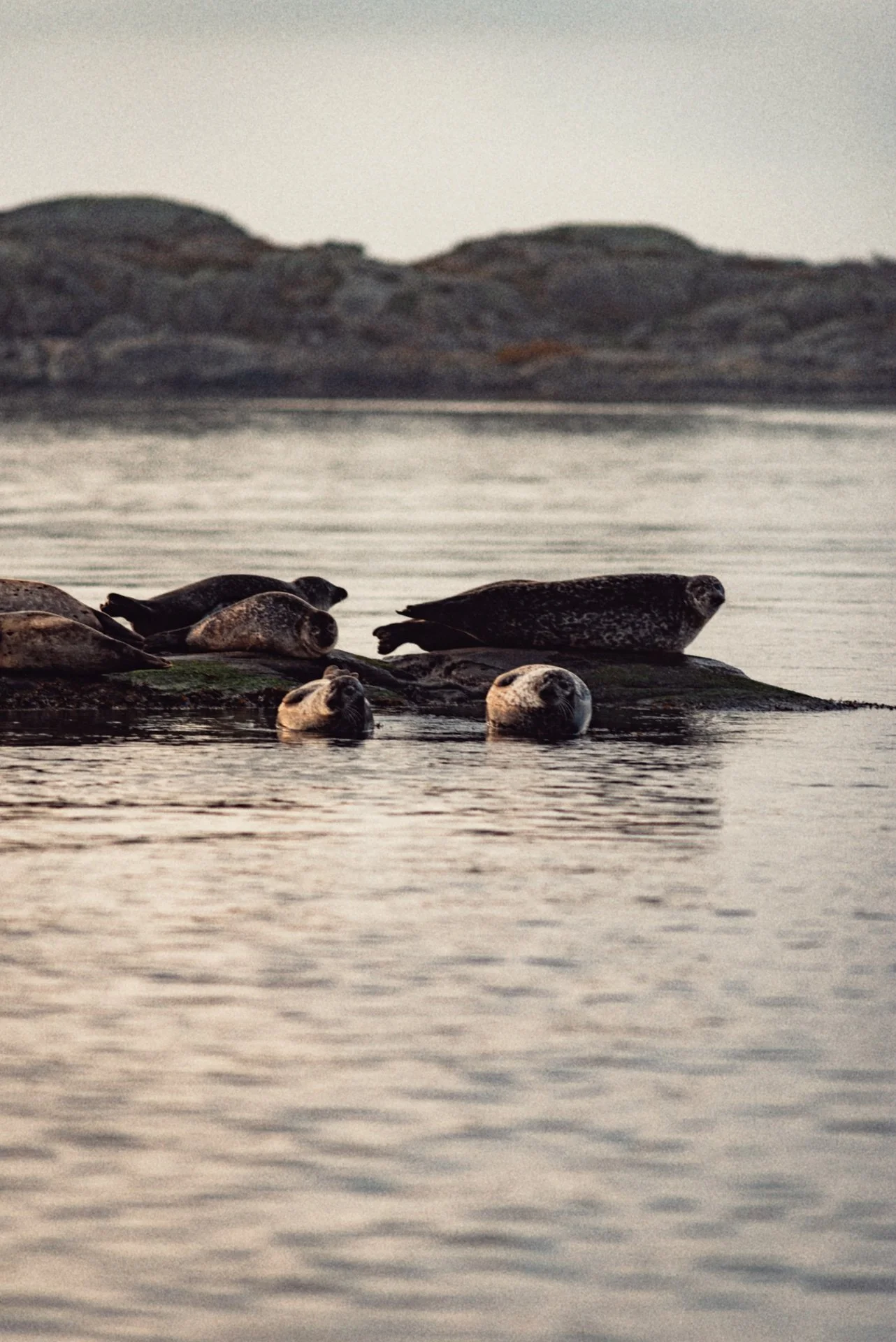
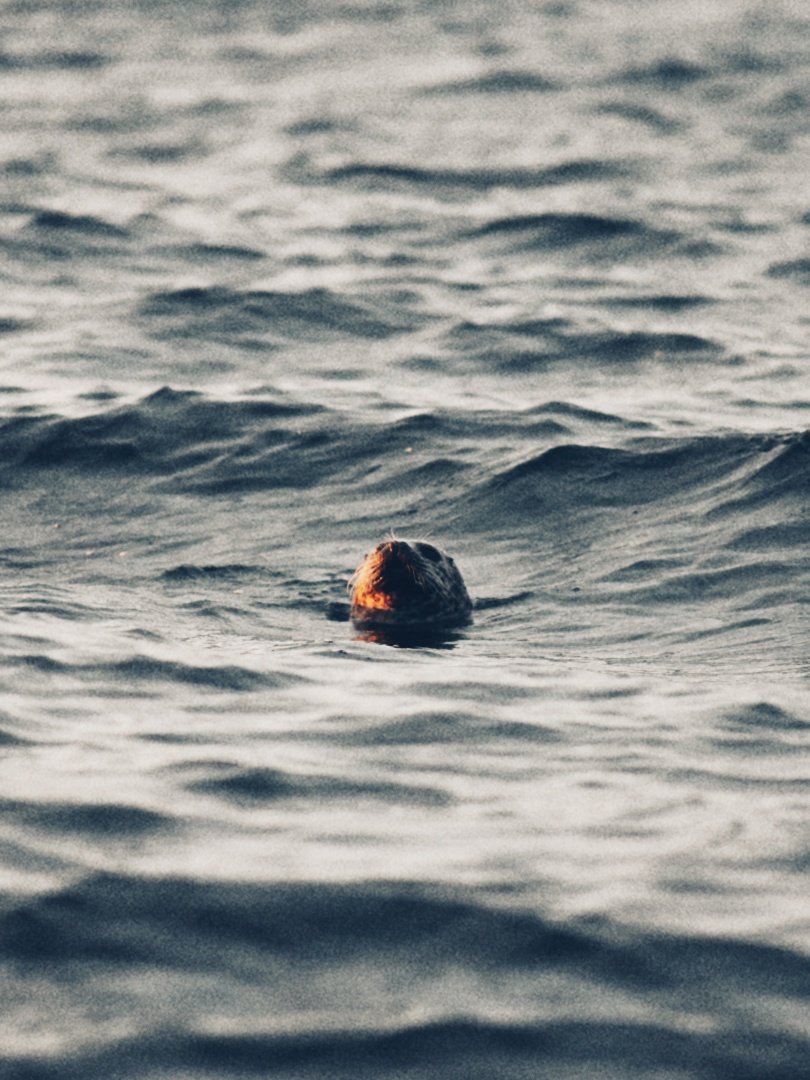
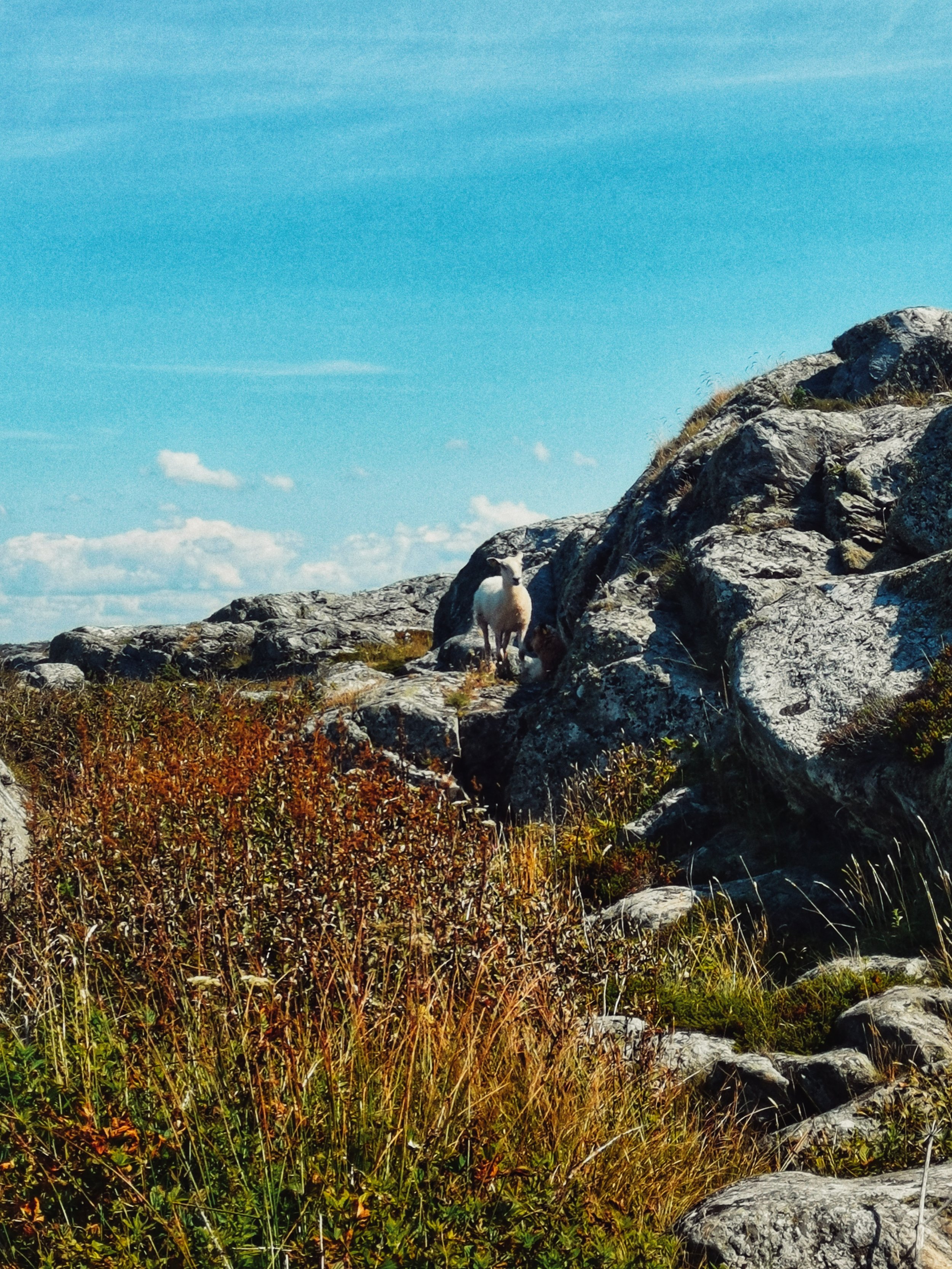
The first time was out on the islands off Gothenburg: Rörö, Öckerö, the archipelago that lies right outside the city and is still a different world. Warm granite glowing reddish in the evening light. Lichen and moss on the rocks, blackberries in between, gulls, a sheep somewhere. And then, almost as soon as we'd throttled back the engine: a harbour seal that wasn't the least bit impressed by our boat. Head up, a look in our direction, then back to dozing.
That's when I understood that this is a different kind of Sweden.
The west coast you don't expect
When people from abroad think of Sweden, they think of Stockholm. Of lakes, of forests, maybe of Lapland. The west coast, Bohuslän, the skerry coast from Gothenburg to Strömstad, hardly features in that picture. And that's a mistake.
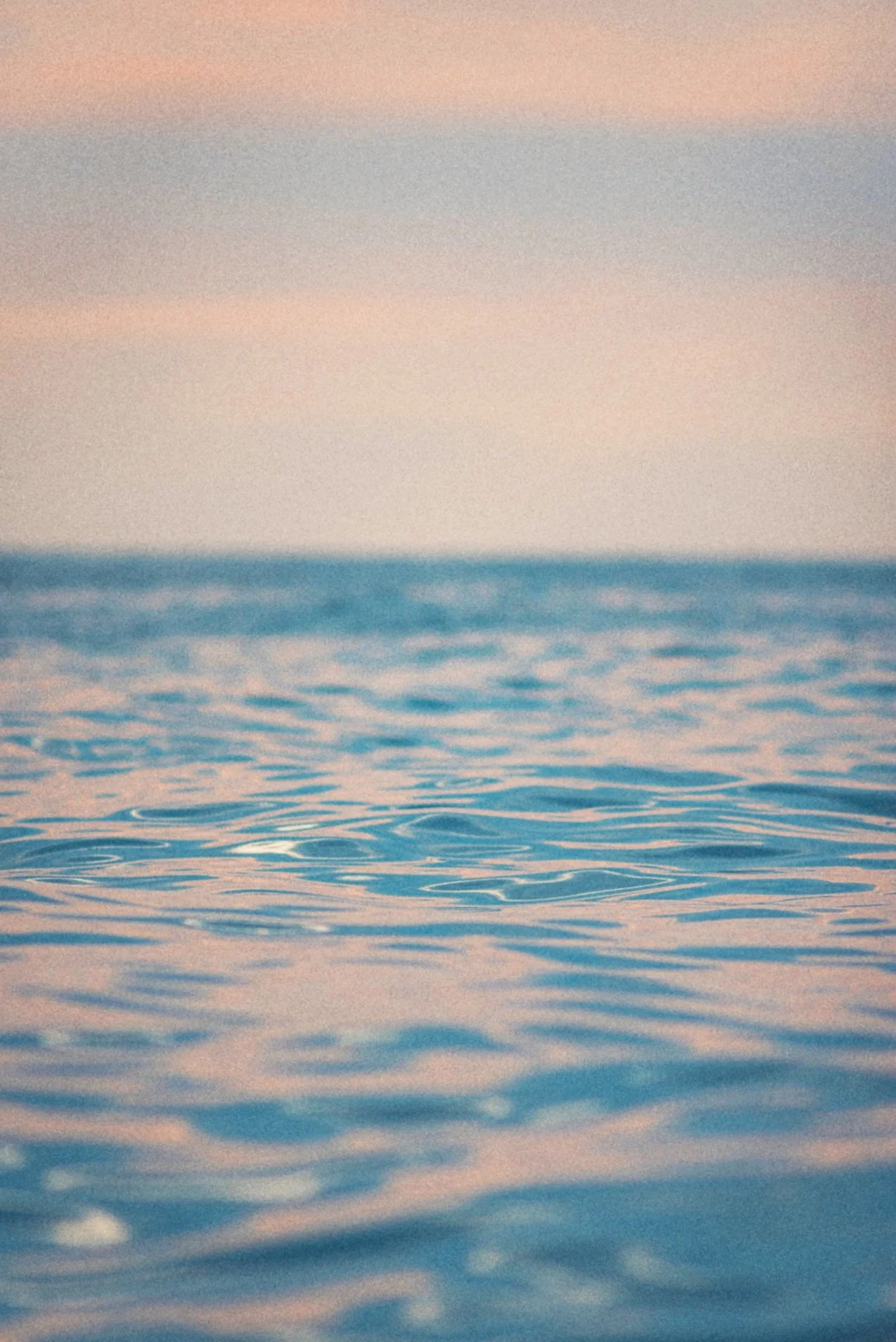
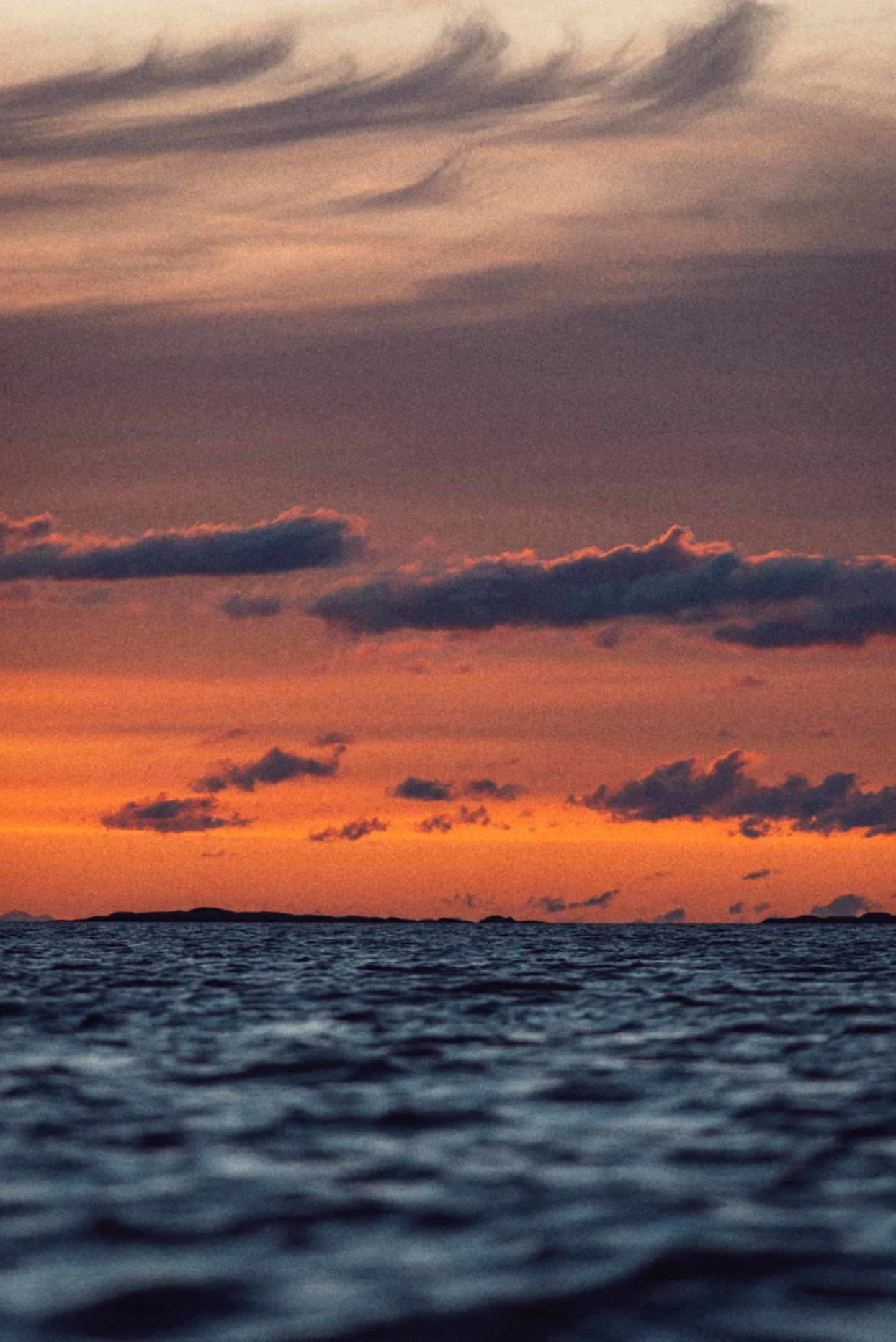
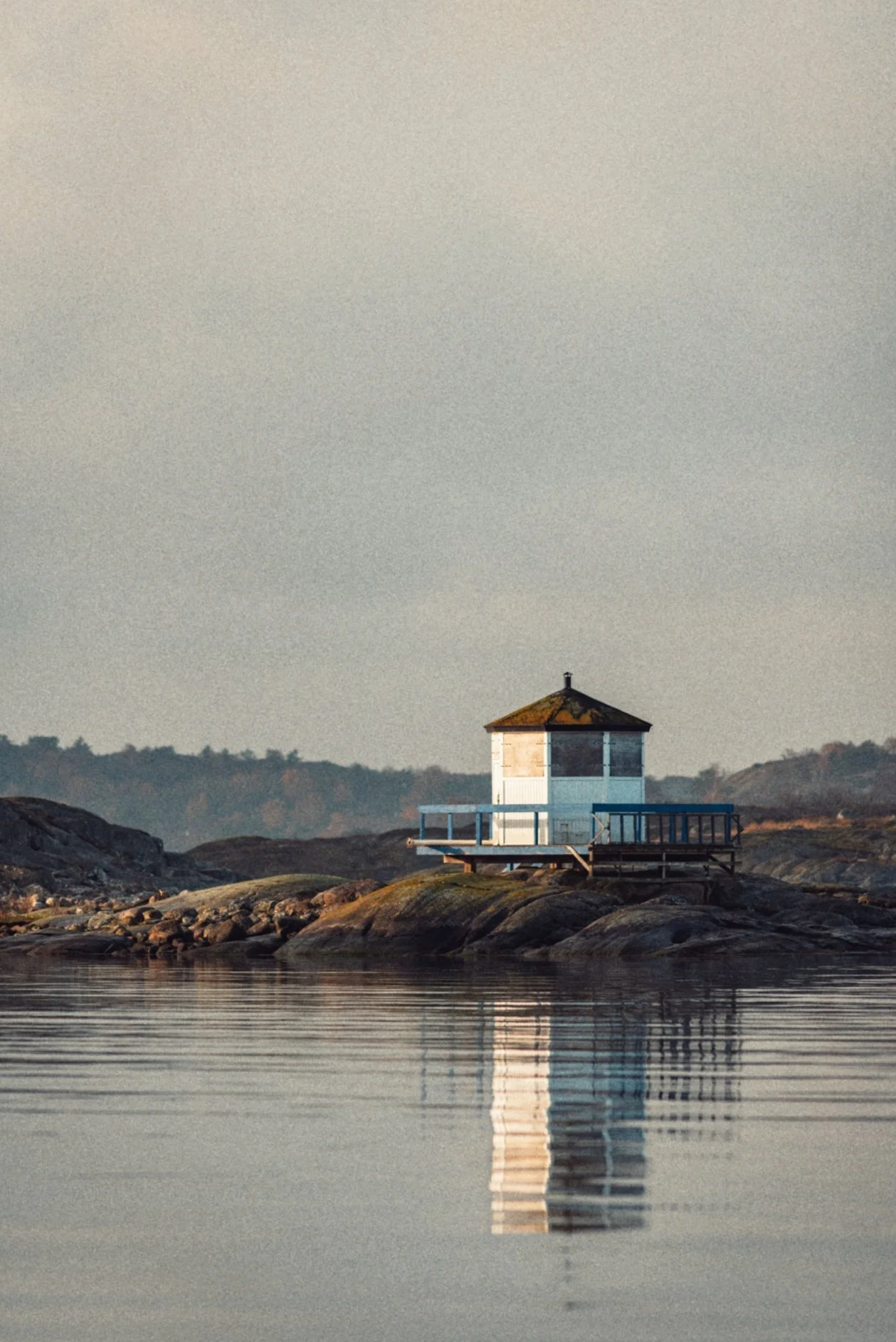
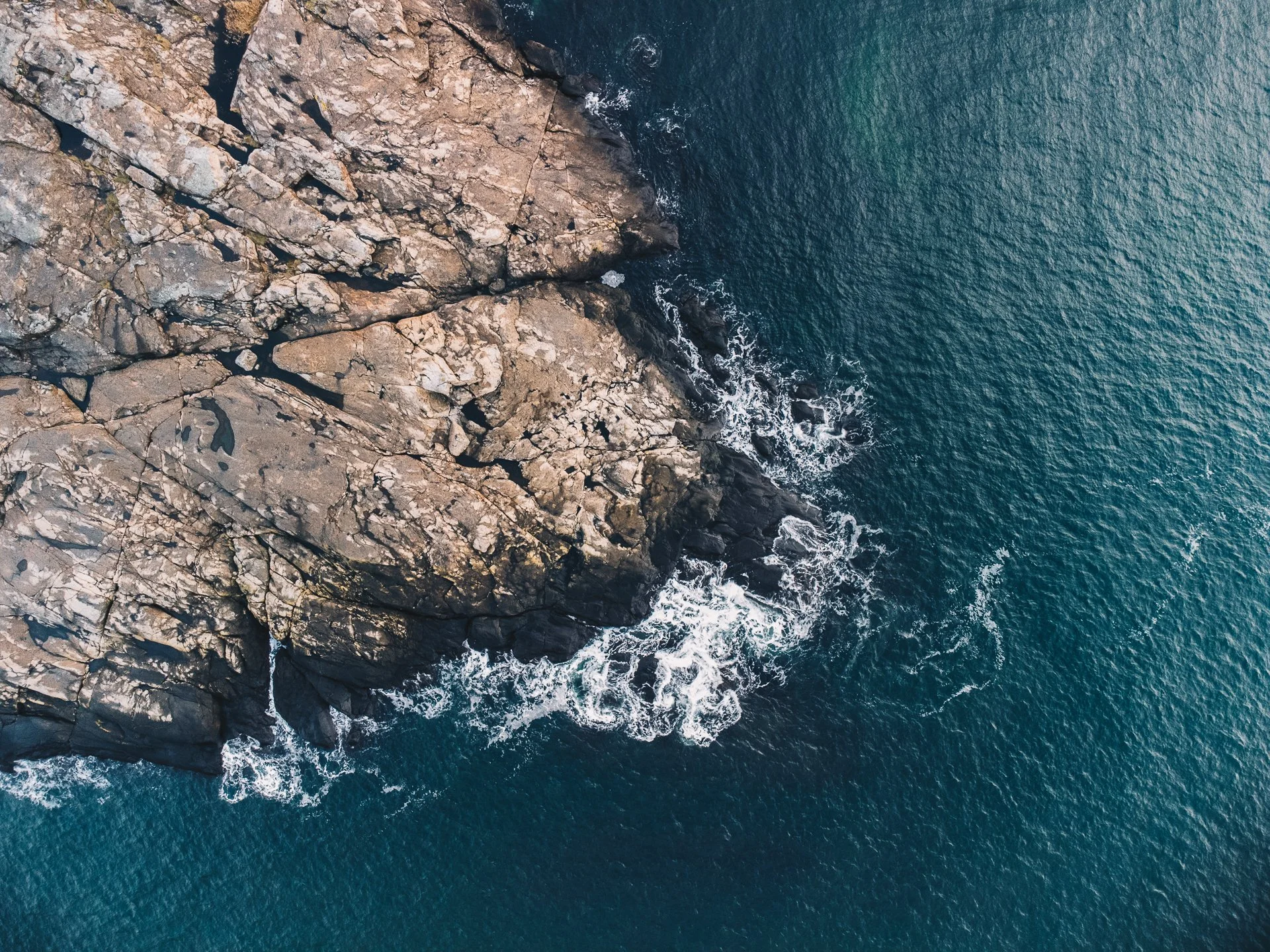
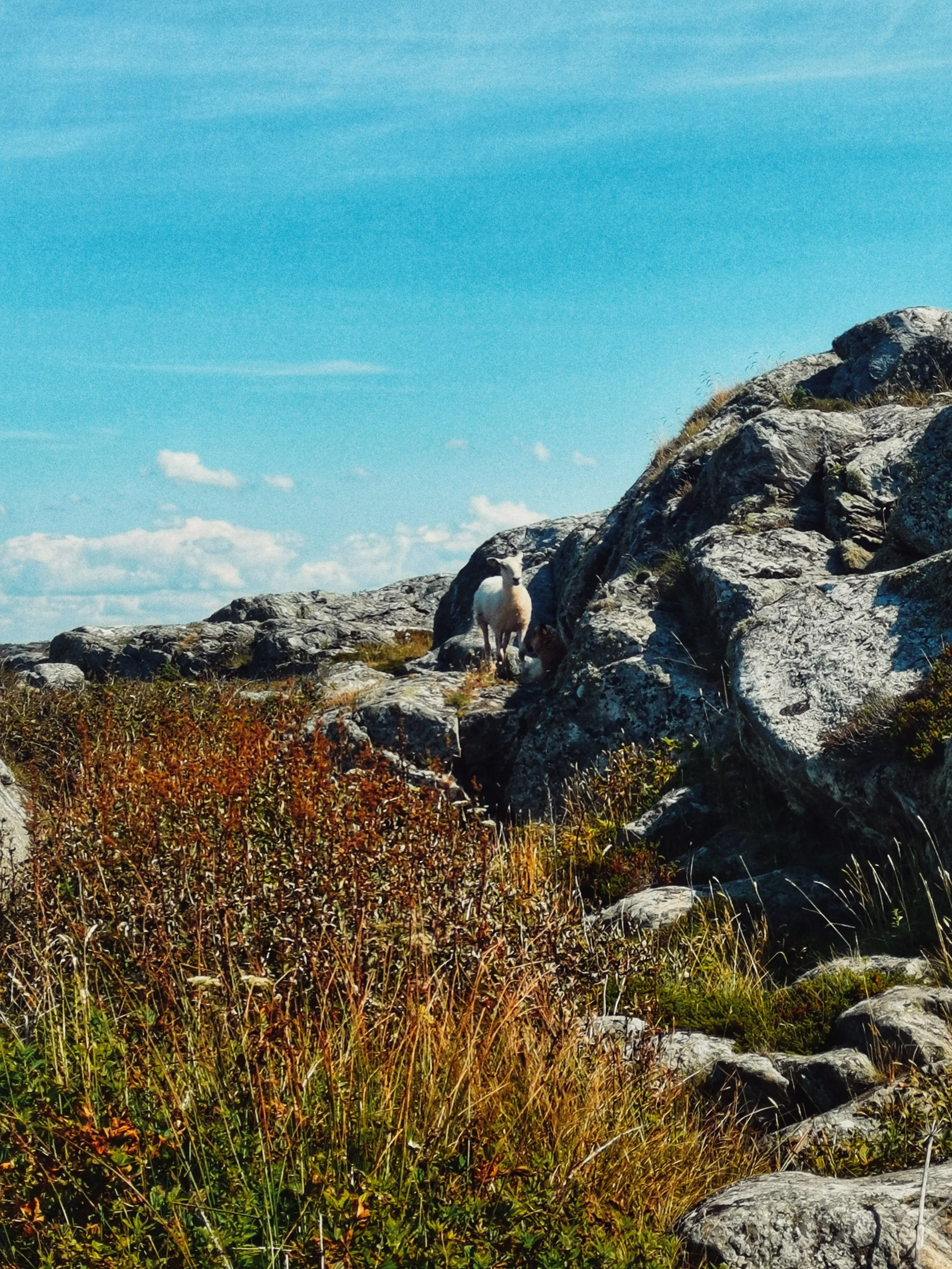
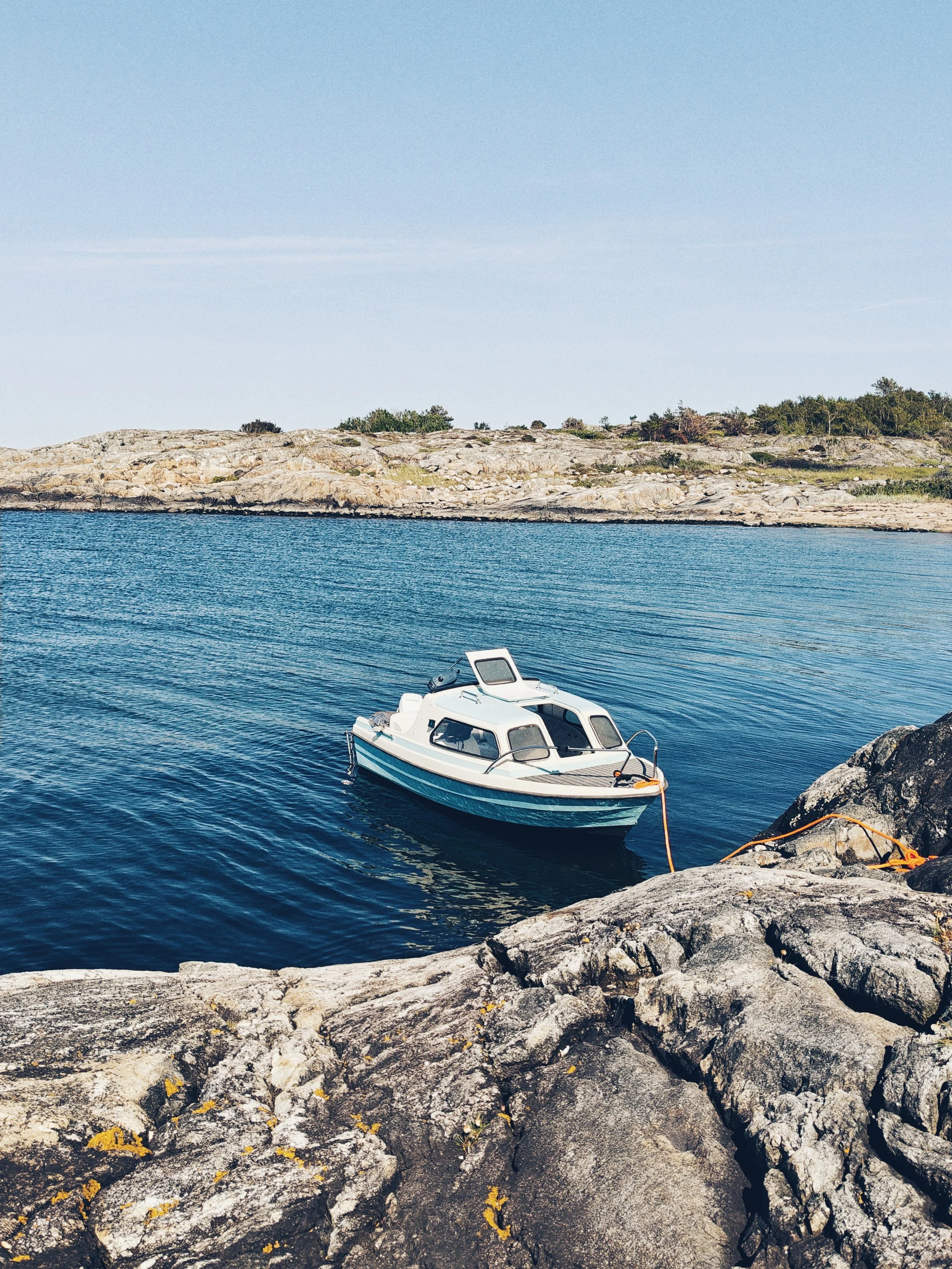
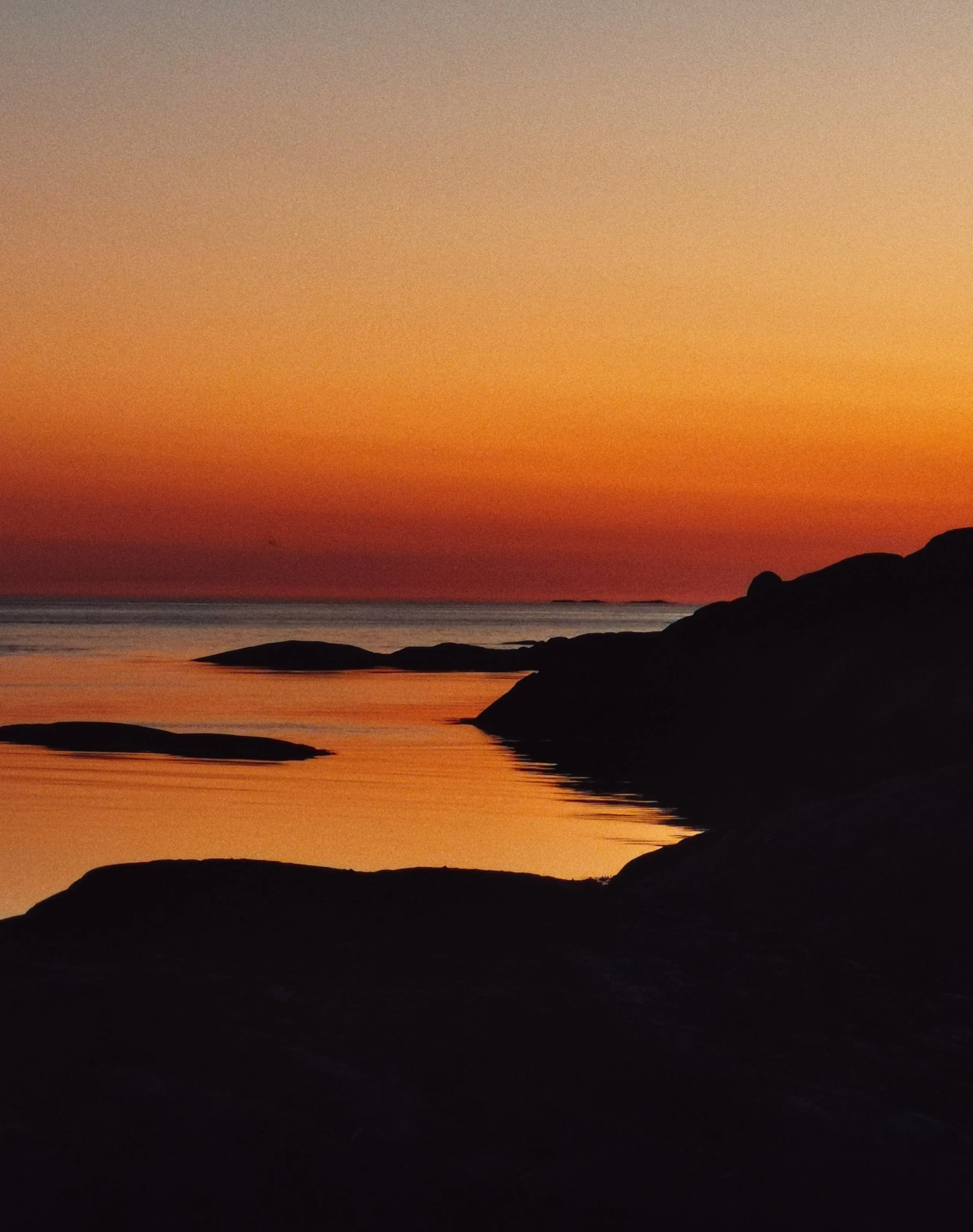
Bohuslän isn't gentle. But it isn't grey and barren either, the way it can look in photos. The rocks here, gneiss and granite worn smooth by the last ice age, take on a warm, reddish tone in the right light. Covered in lichen, moss, blackberry bushes. On some islands, sheep graze and keep the vegetation short. Birds nest in the cracks. The water is cold, even in August. The wind comes straight off the Atlantic.
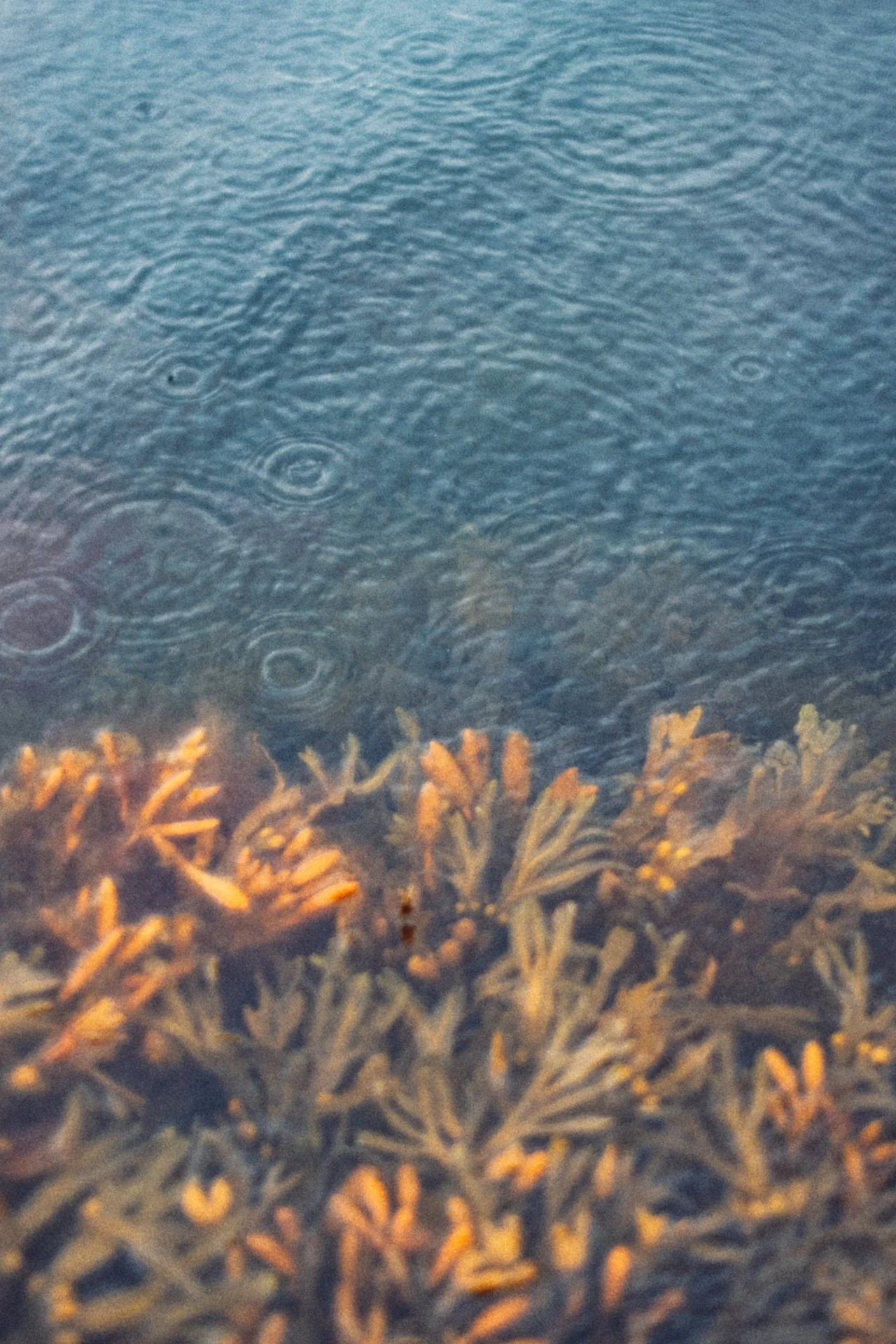
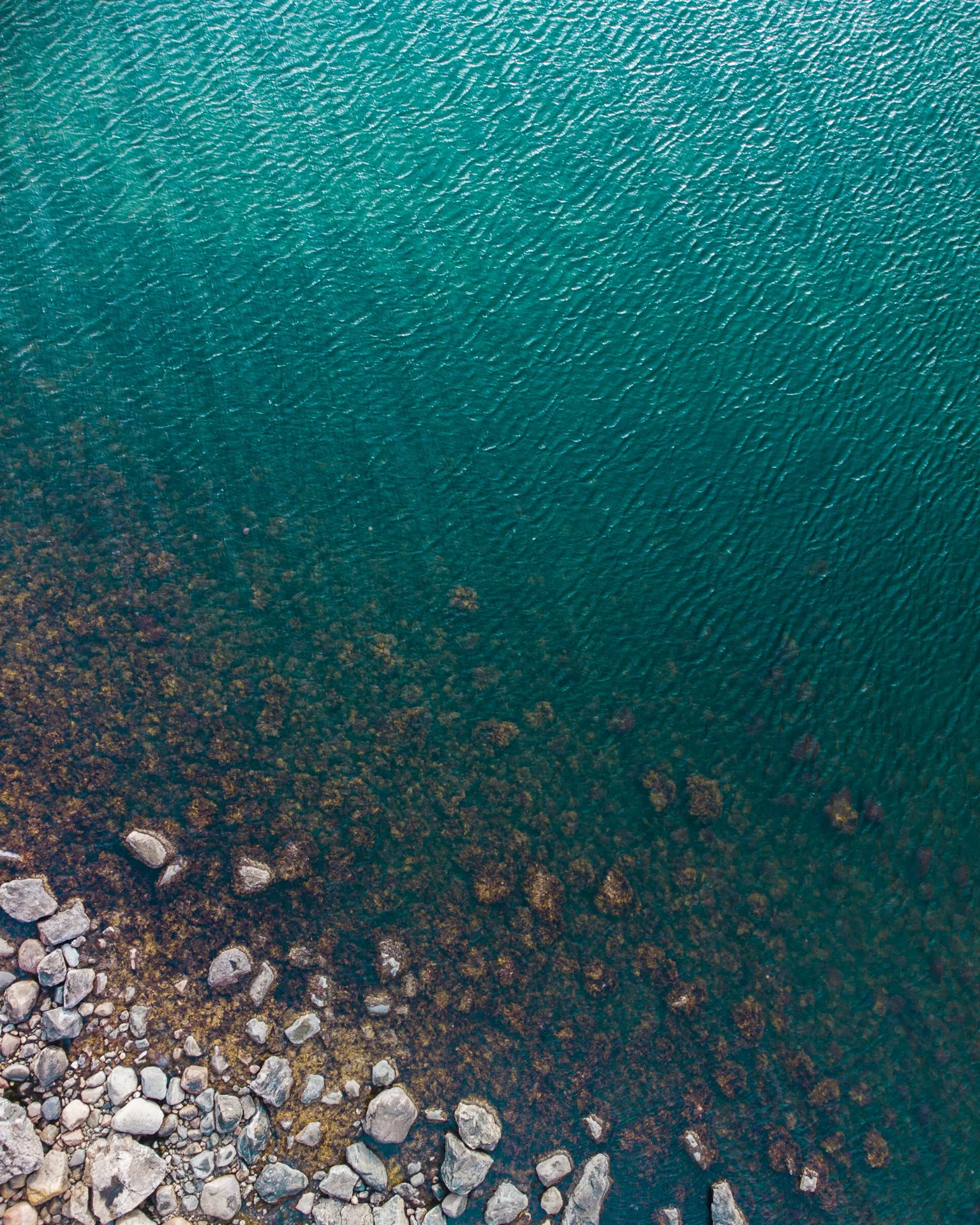
And more lives in that water than most visitors suspect.
Seals: everyday life on the Swedish west coast
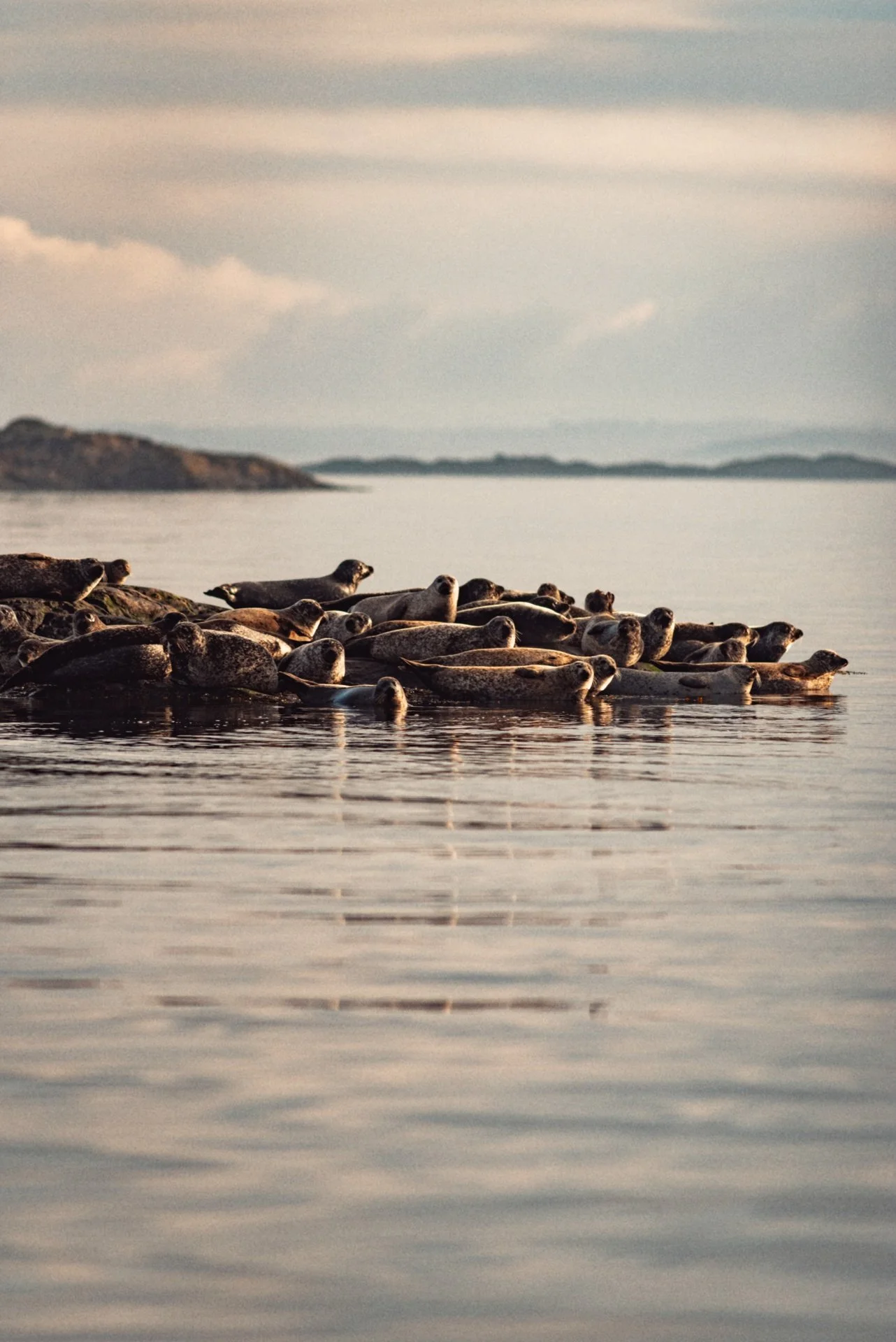
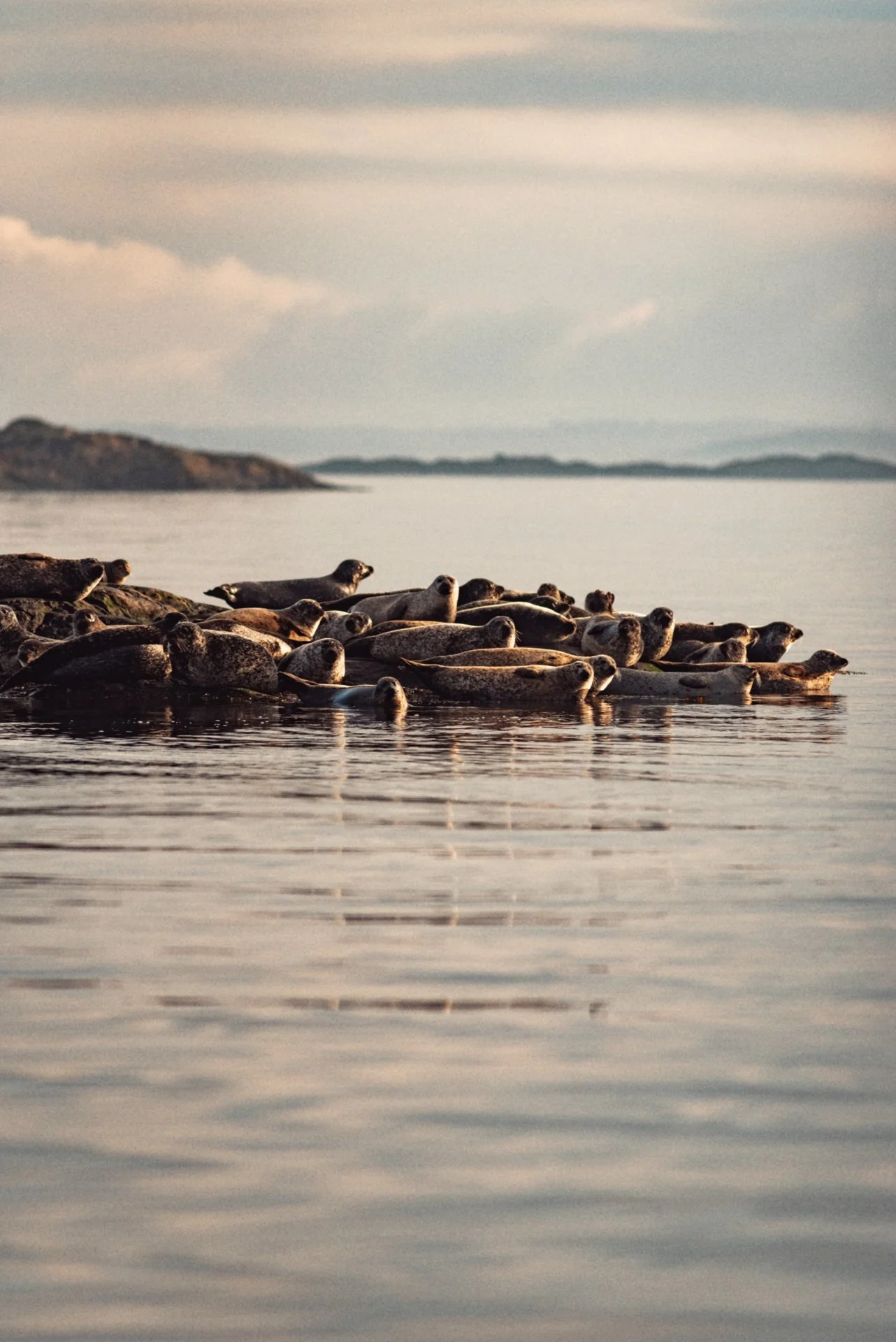
Around 22,000 harbour seals live in the Skagerrak and Kattegat alone, and a good share of them on the Swedish west coast. They aren't shy. They come into harbours, lie on jetties, doze on rocks right next to landing stages. I've met seals while surfing, while swimming, while simply heading out on the water. They look, they stay, at some point they disappear again, on their own terms.
This isn't a wildlife experience you have to book. It just happens. On rocks, in groups. In the water, only the head visible. In Smögen harbour at five in the morning. Anyone who has swum in the same water as a seal for the first time never calls Sweden boring again.
There are organised seal safaris, for example from Grebbestad or Kungshamn. But honestly, the best encounter is the unplanned one.
Free
Ever thought about moving here for good?
Book a free 15-minute call with me. We'll go through where you stand, from the personnummer to buying a house, and what to sort out first.
Porpoises: not a given, but possible
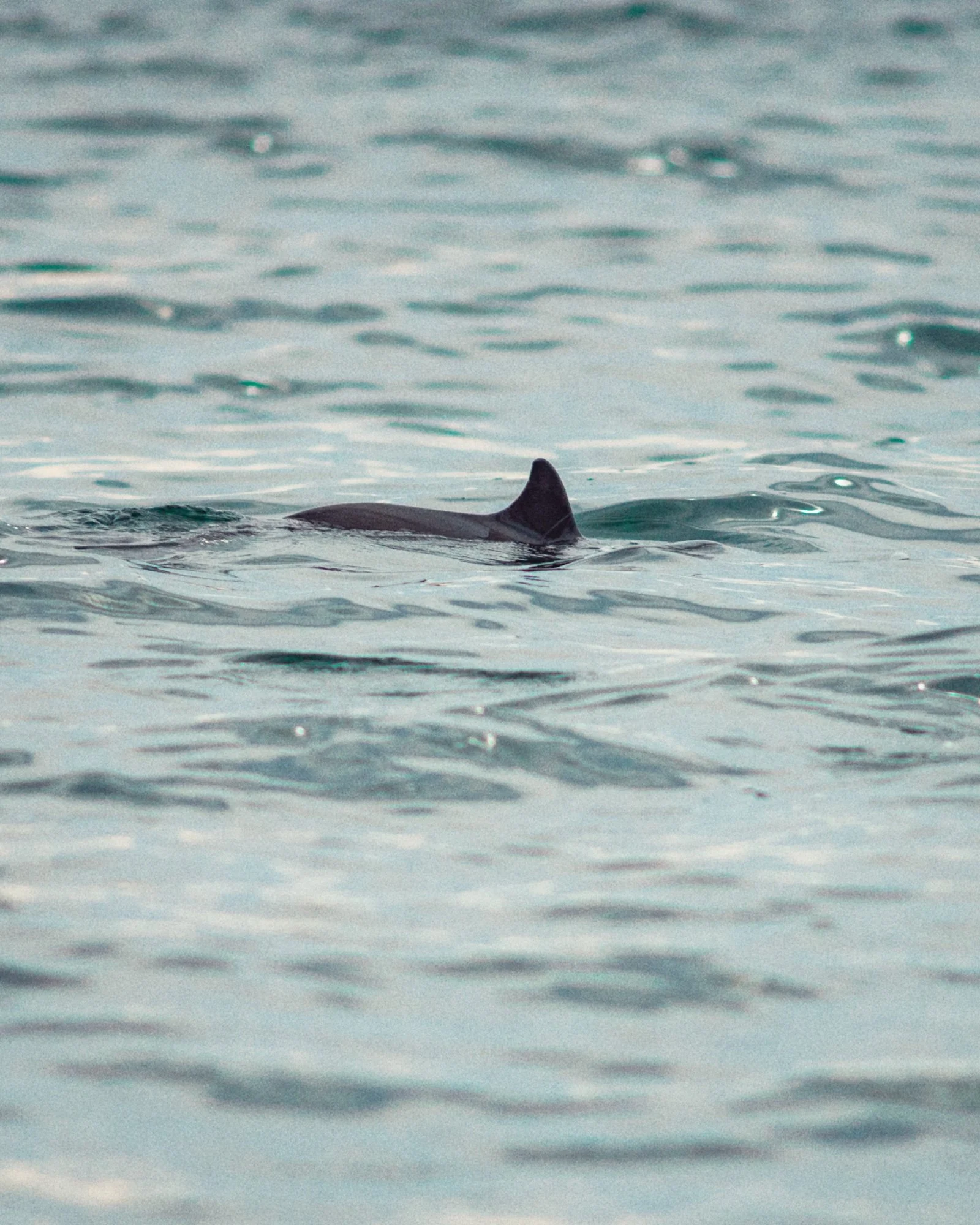
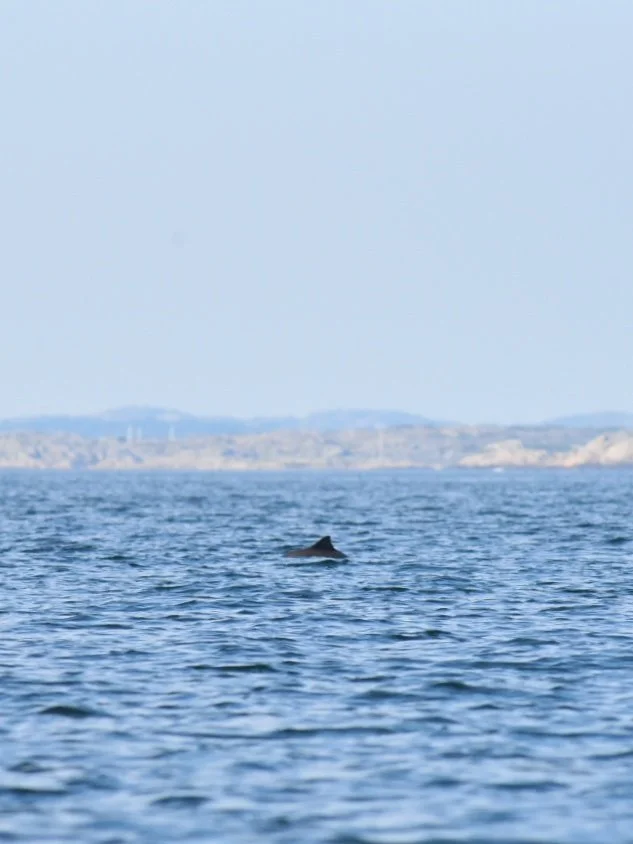
This is what surprises people most. Whales in Sweden sounds like a guidebook mistake. But harbour porpoises (Phocoena phocoena) are no rarity in the North Sea and along the Swedish west coast. Smaller than you imagine a whale to be, but clear and unmistakable when they surface next to the boat.
No guarantee. No guided trip with a promised sighting. But if you spend enough hours on the water, and I spend a lot of them there, it's not a question of if, but when.
I didn't see porpoises in Canada or in Iceland. I saw them in Bohuslän. That says it all.
The old sea
There's something about this stretch of coast that's hard to put a name to, something I can only describe as an old sea. The rocks aren't decorative. They're massive, layered horizontally, ancient. In the evening light they take on a warm, reddish colour: less the cool grey you'd expect, more something earthy and alive. Lichen, moss, blackberries in the cracks. Birds nesting wherever they like. Sometimes sheep standing silently among the rocks.
The light in spring and autumn falls differently from summer light: harsher, lower, less golden. You sit on one of these rocks and realise you're not sitting on a stage set. That this place was like this long before anyone planned a holiday here.
That's the difference between Bohuslän and, say, a Mediterranean coast. Here you don't feel like a visitor consuming a landscape. You feel like someone who has stepped inside.
What you can actually do on the west coast
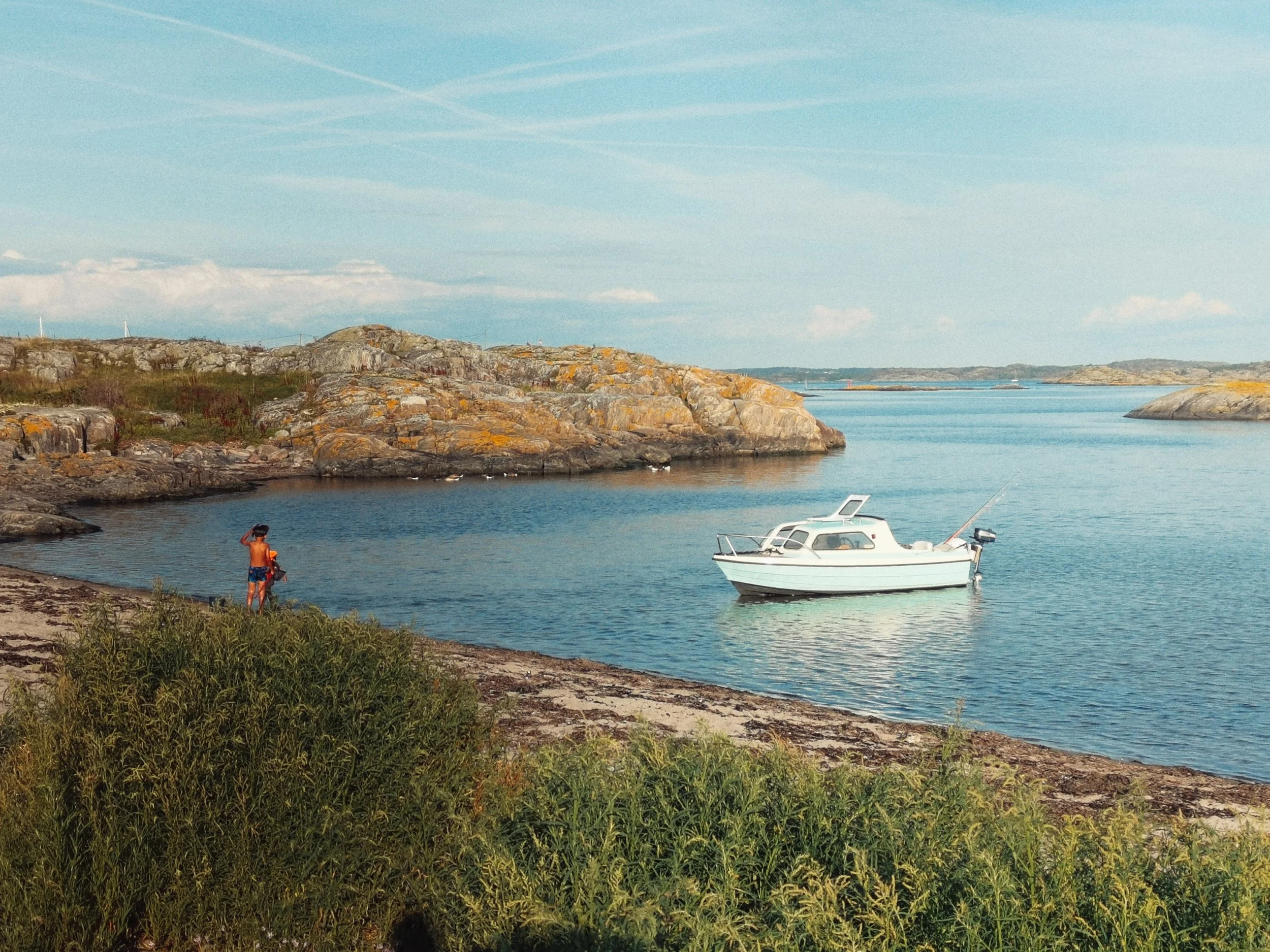
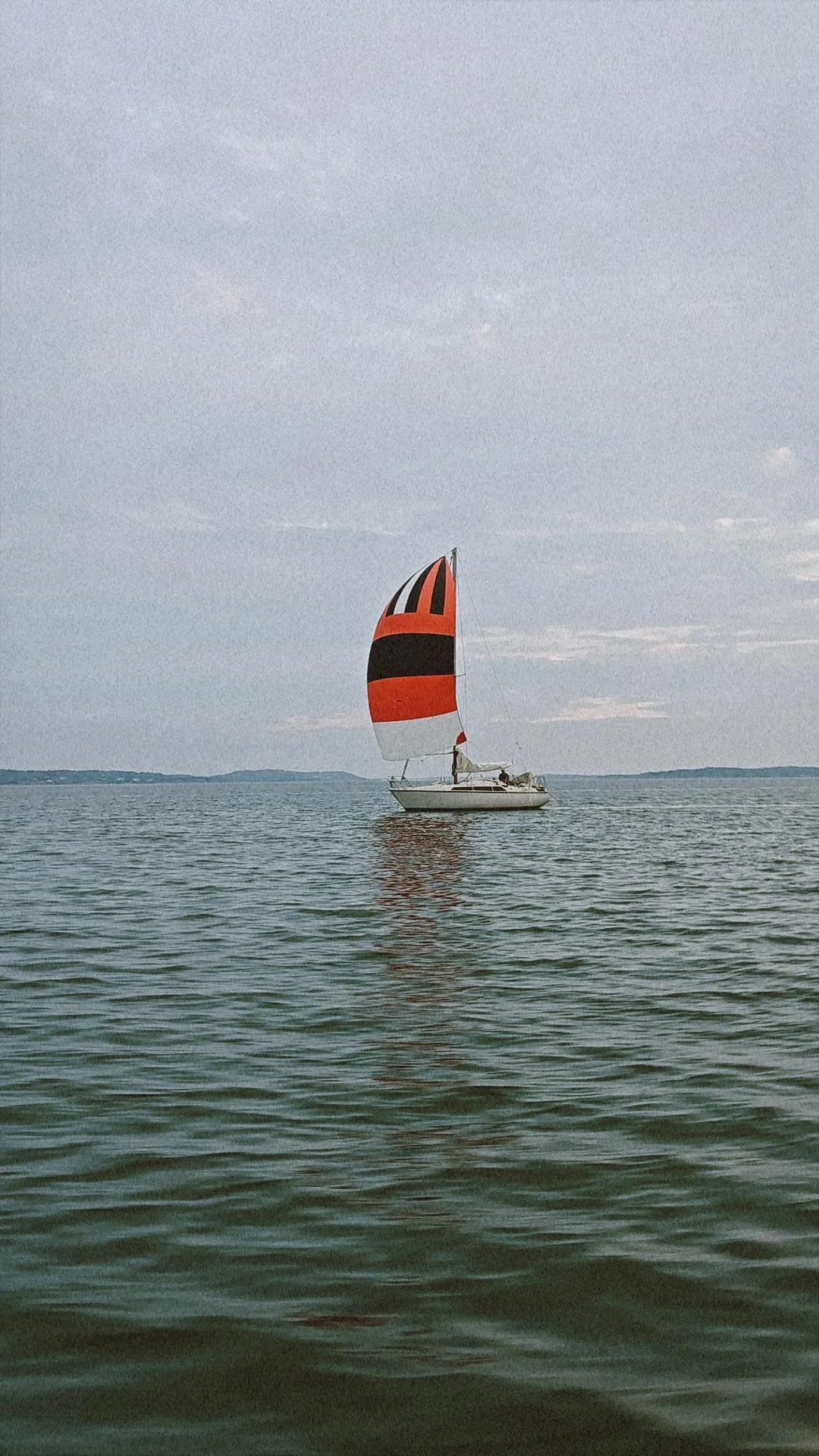
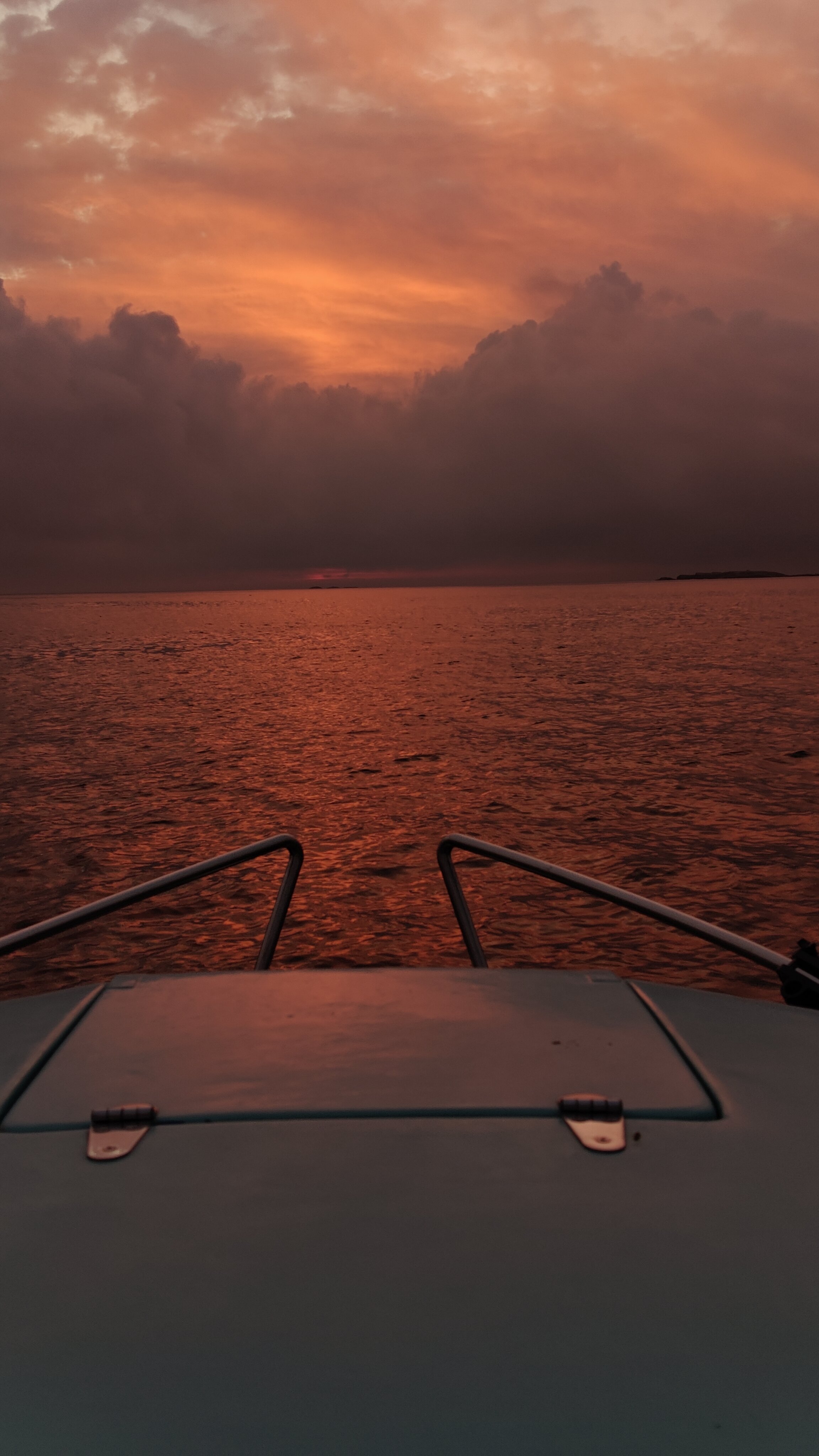
Going out by boat, without a licence. In Sweden you don't need a boating licence for motorboats up to a certain size and power. That sets Sweden apart from many other countries and makes the skerries accessible to everyone. There are boat rentals in Fjällbacka, Grebbestad, Kungshamn and right outside Gothenburg on the Öckerö islands. Still: know your sea marks, be able to read the weather, have safety equipment on board. Not needing a licence isn't a licence to be careless.
The Gothenburg archipelago: the underrated way in. Right outside the city lie the islands around Öckerö and Rörö, thirty minutes away by ferry, but a different world. Warm granite, hardly any cars, seals in the harbours. If you want to experience the west coast for the first time, start here. The southern islands of the Gothenburg archipelago, Brännö, Styrsö, Vrångö, are largely car-free. No roads, no engine noise, just bikes and ferries. It isn't a concept anyone advertises as special. It's simply how things are out there.
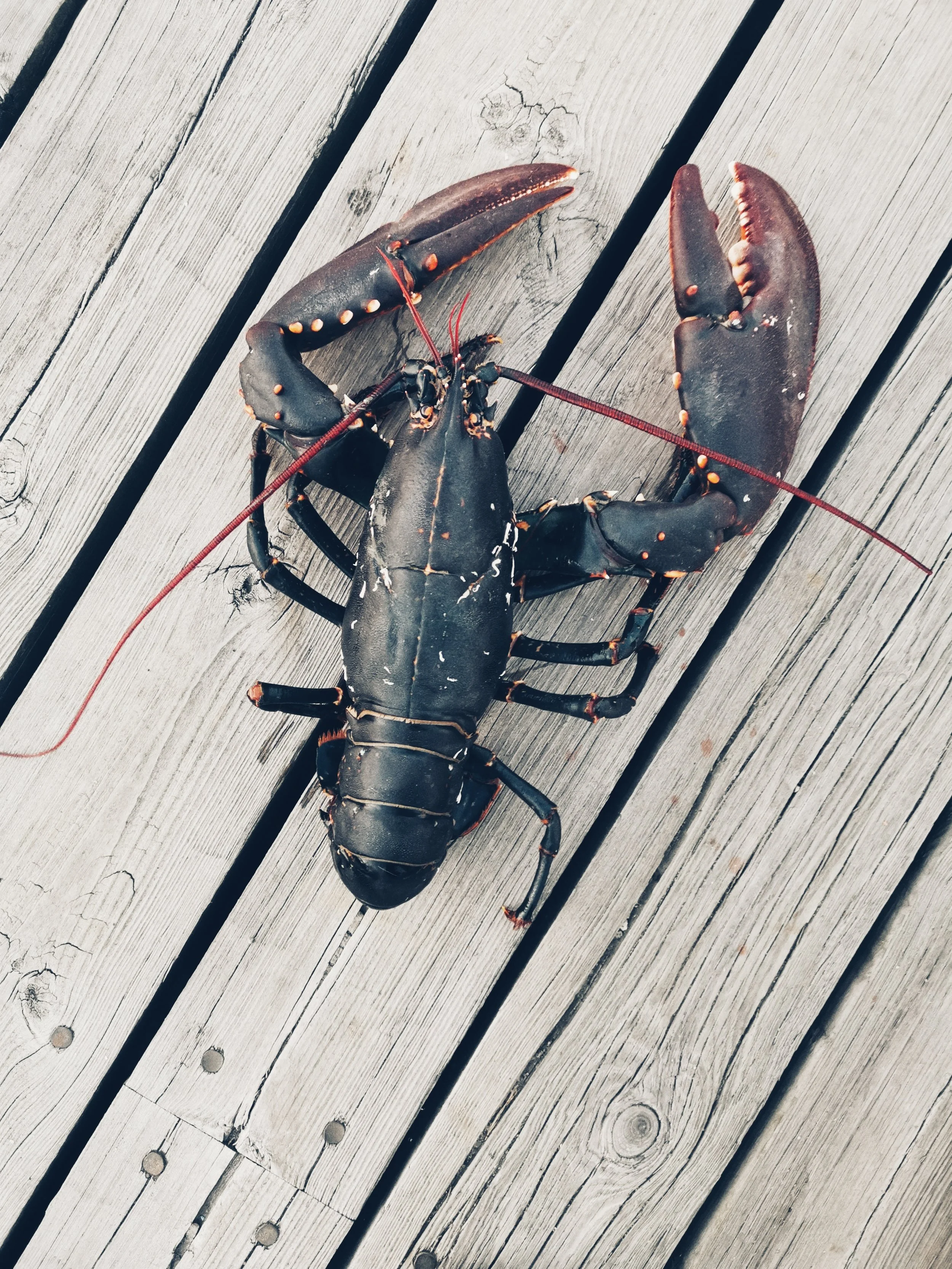
Mackerel fishing. Not all year round, but in the summer months the mackerel pass along the west coast. Fishing from a boat, from a jetty, from the rocks, with the simplest gear and without much preparation. For many visitors, it's their first direct encounter with the sea as a source of food. Fresh, simple, good.
Sea kayaking. Bohuslän is one of the best sea kayaking regions in Europe. That's not a marketing promise, but the verdict of experienced paddlers. Thousands of islands, calm channels, landing spots on uninhabited rocks. Allemansrätten applies on the water too.
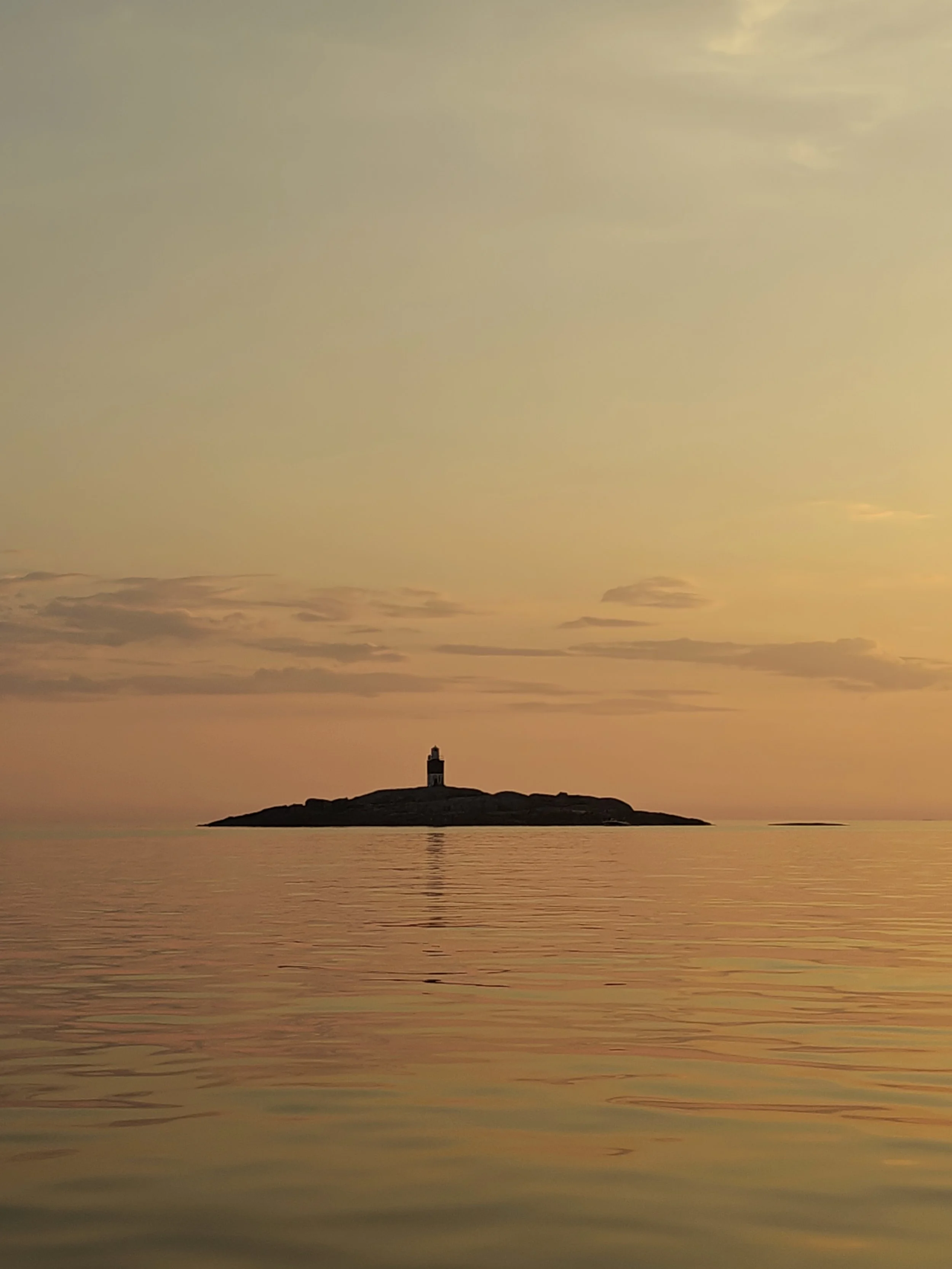
The outer skerries. If you really want to get out there: the outermost islands, Tjurpannan, Väderöarna, the islands around Sotenäs, are almost uninhabited. No restaurants, no infrastructure. Just rocks, wind, gulls and seals. Reachable by ferry all year round.
Spring and autumn instead of summer. In July the coast is beautiful and full. In April and September it's empty, the animals come closer, the light is better. If you come at the end of April, you'll also experience the start of the Swedish spring with Valborg on 30 April. If you take photographs or are simply looking for unspoilt places, don't come in high summer.
If you want to go deeper:
- Friluftsliv: Sweden's outdoor culture explained
- Båtplats in Gothenburg: finding a boat mooring
- Strandskydd: what you're allowed to do on a waterfront plot in Sweden
- Buying a summer house in Bohuslän: prices and what really comes on top
- Lantställe: buying a summer house in Sweden
Why I write about this
I live in Gothenburg. I surf on this coast, I go out by boat, I take photographs here. The west coast isn't my subject because it's attractive to tourists. It's my subject because it shows what Sweden is beyond the version you expect.
People who come to Sweden are often looking for a particular idea. Order, nature, distance. What they find in Bohuslän is something else: more real, wilder, less curated. And most of them are quieter afterwards than they were before.
That's the difference I want to show them.
Want to experience the west coast for yourself?
If you're planning to explore the region, whether on holiday, as someone thinking about buying, or simply because you want to find out whether Sweden is right for you, write to me. I know the coast, I know the seasons, I know the places that aren't in the guidebook. If you also want to check out the coast as a possible place to live, my article on property scouting in spring tells you the best time to do it.
I'm Sebastian Schiefner, a photographer, and I've lived in Gothenburg since 2022. I surf, sail and photograph the Swedish west coast. Nordabenteuer is my platform for people who are taking the step to Sweden.