Friluftsliv: Sweden's outdoor culture explained for newcomers
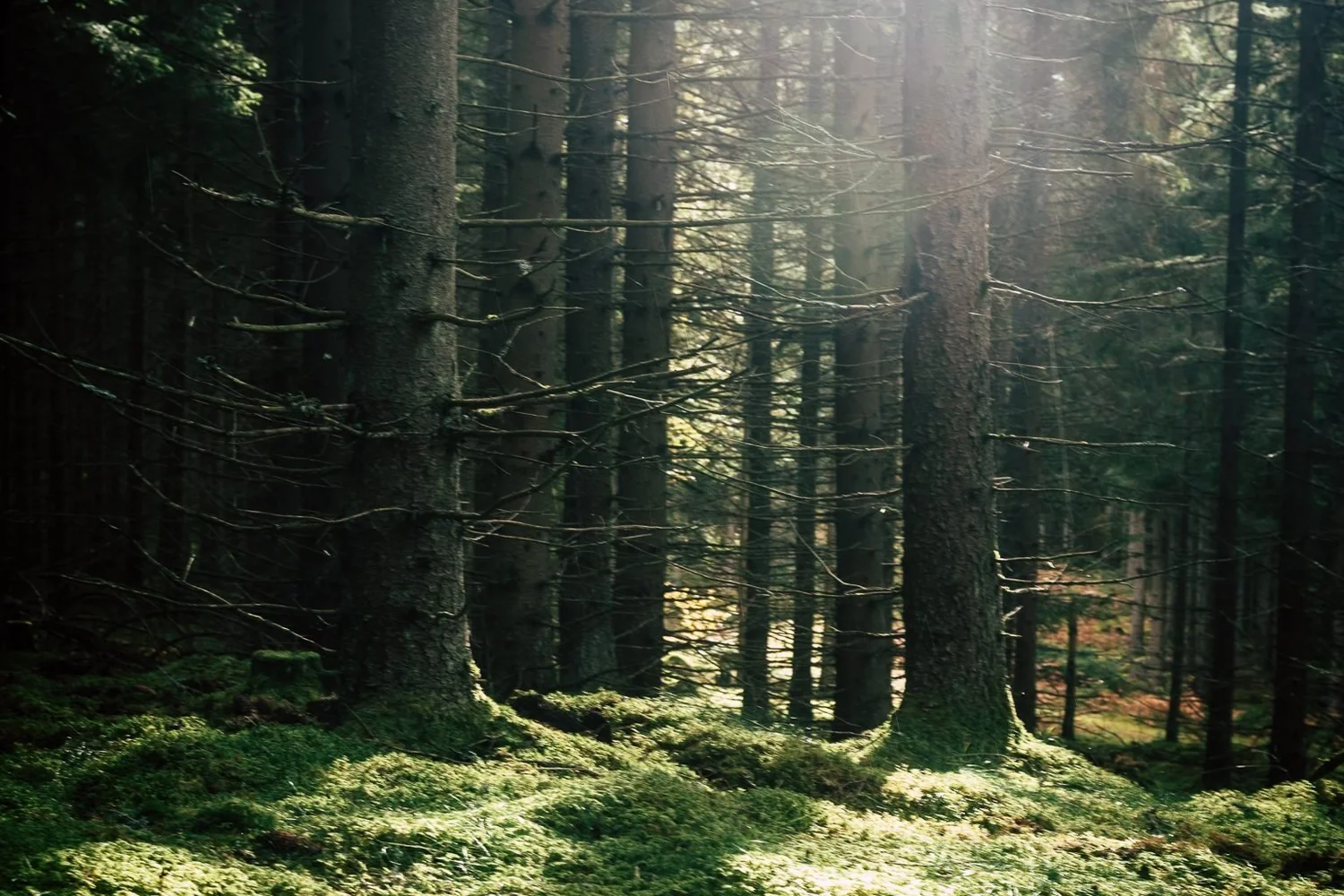
When a Swede tells you they're going "ut i naturen" (out into nature), they rarely mean a Sunday outing. They mean an attitude that shows up in employment contracts, in school curricula, in lunch breaks and in conversations about what makes a good summer. The word for it is friluftsliv, literally "open-air life", and it's one of the few Swedish concepts that many languages, German included, have no real equivalent for.
If you come from a big city elsewhere in Europe, you probably know the outdoors as a hobby. Hiking, mountain biking, climbing: categories in the calendar, next to theatre and concerts. In Sweden, friluftsliv isn't a category. It's the basic assumption about how people relax, stay healthy and look after their relationships. If you don't understand that, you'll spend four years living alongside Swedish everyday life without really being part of it, and wonder why colleagues ask you on Monday whether you "made the most of" the good weather when it was four degrees and drizzling.
Friluftsliv isn't sport. It's a right.
The term dates from the late 19th century and is often attributed to Henrik Ibsen, the Norwegian playwright, who used it in a poem from 1859. Sweden adopted the word and institutionalised it. In 2010 a decision by the Riksdag (the Swedish parliament) defined friluftsliv as a public good to be actively promoted, with its own budget, its own authorities and its own research bodies.
That sounds like bureaucratic jargon, but it works in practice. At school there's the subject "idrott och hälsa" (physical education and health), which regularly takes pupils outdoors: skiing, canoeing, orienteering and sleeping out in the forest are part of the compulsory content in many municipal curricula. Förskolor (preschools) often have their own forest groups, where children spend four to five hours a day outside in any weather, unless it gets genuinely bitterly cold (the limit is usually -10 °C). If you know forest kindergartens from Germany or elsewhere: in Sweden they aren't the exception but a standard option among what the municipality provides.
The legal basis is allemansrätten, the Swedish right of public access. It allows everyone to move freely in nature, camp on private land, pick berries and mushrooms and make a fire without having to ask the landowner. This combination of deep-rooted habit and legal protection is almost unique in Europe. It makes friluftsliv accessible to everyone, regardless of income, where they live or what gear they have. That's not lifestyle marketing; it's the infrastructure the whole system rests on.
Friluftsliv in your employment contract: friskvårdsbidrag
There's one point where friluftsliv suddenly becomes very real for newcomers: your first Swedish employment contract. Practically every collective agreement and most individual contracts include an item called friskvårdsbidrag, an annual wellness allowance, tax-free up to 5,000 SEK. What counts as reimbursable is broadly defined: yoga studio, bouldering, CrossFit, a swimming pool pass, guided hikes, a six-month padel ticket, ski passes, surf courses, day trips by kayak in the archipelago.
What's interesting is what Swedes do with this money. In many other countries you'd probably see gym memberships dominate. In Sweden the picture is broader: friskvård money flows into everything that happens outdoors. The colleague who kayaks to work every Wednesday claims back his costs at the marina. The architect at the next desk hands in her climbing fees from the climbing wall in Mölndal. 5,000 SEK isn't a huge amount, but it's a commitment written into the tax rules: your employer wants you to be outside. If you don't claim the allowance, you're statistically in the minority. Surveys by municipal friskvård platforms put claim rates at between 60 and 80 per cent.
In practice that means: work out early what you need, concentrate the allowance on a few activities and hand in your receipts in good time. Platforms like Wellnet, Epassi and Benify handle the admin, and many Swedish employers pay directly through these apps, so you don't have to pay up front. In your onboarding meeting, ask HR directly: which platform? Which providers? What's the annual deadline? You'll get an answer straight away, because it's routine for anyone in HR.
Friluftsliv in everyday life: what newcomers regularly underestimate
If you come from a big city, you're probably used to "being outdoors" happening at the weekend: planned, with a journey and gear. In Sweden it works differently. Friluftsliv is everyday, short and often plain. An hour's walk after work isn't considered a sporting achievement; it's part of the day, like dinner. In Gothenburg, Slottsskogen, Skatås and Delsjön are full after 5 pm with people who aren't training, just being there. With a dog, with a child, with a thermos, sometimes only in their lunch break.
There's a pragmatic side to this. If you leave the office in Gothenburg at half past four in November, you've still got an hour of fading daylight. If you spend that hour outside, you'll get through the winter months better. Swedish GPs don't prescribe this as therapy, but they take it for granted that their patients live this way. If you go to a vårdcentral (health centre) with classic symptoms of mild seasonal low mood, the first question you'll be asked is whether you're regularly "ute" (outside). The question sounds trivial. It isn't.
The second everyday layer is the social one. In Sweden, friluftsliv is the easy, informal setting in which relationships form. A walk around the lake is the Swedish version of meeting for coffee. First dates, first business conversations, family conflicts, catching up with old friends: a lot of it happens standing or walking, not sitting. If you're preparing a job change in Gothenburg and "meeting" a future manager, don't be surprised if the suggestion is to talk it over on a walk around Härlanda Tjärn. That's not some trendy Swedish management concept. It's routine.
Friluftsliv vs. "the outdoors" elsewhere: three cultural differences that matter day to day
First: weather is not an argument. In many countries the reflex is: "If it rains, we stay in." The Swedish one is: "Det finns inget dåligt väder, bara dåliga kläder", there's no such thing as bad weather, only bad clothing. The saying sounds like postcard folklore, but in everyday life it matches the behaviour exactly. Swedish colleagues don't cancel friluftsliv plans because it's raining. They cancel them when a storm is actually knocking trees over. The threshold is much higher than in Germany, for example, and newcomers who cancel at short notice several times are quickly seen as unreliable.
Second: gear isn't the obstacle, it's the vehicle. Swedes invest in functional clothing. An average Swedish family owns outdoor gear worth several thousand euros between them: lined shells, down jackets, walking boots, often handed down through generations. That's not a show; it's the foundation. If you turn up for a walk in November in trainers and a thin rain jacket, you haven't understood the system. The investment in friluftsliv gear during your first six months in Sweden is real, and in shops like Naturkompaniet, Stadium Outlet or Houdini in Gothenburg you can quickly spend 500 to 1,500 euros per person if you want to be reasonably well equipped. It pays to keep your eyes open: loppis (flea market) weekends and Blocket offer very good second-hand gear in exactly this category, because Swedes look after their kit.
Third: friluftsliv isn't loud. When you see a group on a hike in the Swedish archipelago, you usually don't hear them. Nobody plays music through a speaker, nobody shouts, nobody performs. In the friluftsliv ideal, quiet is a value in itself. If you turn up on a granite rock with a Bluetooth speaker, you'll irritate people. If you're there quietly, you belong.
Where to find friluftsliv in Gothenburg
For newcomers to Gothenburg, three places are essential starting points. Slottsskogen, right in the middle of the city, is the everyday version: open around the clock, with animal enclosures, paths, a lake, and the chance to be sitting in a clearing twenty minutes after getting off the tram, where you can't hear anyone any more. Skatås Motionscentrum on the east side of the city is the next level: well-kept running trails between 2.5 and 18 kilometres, lit in winter (so-called "elljusspår", floodlit trails), free to use. If you want to get into it more seriously, take the tram to Delsjön: a large, unbroken nature reserve with swimming spots, canoe hire and hiking trails that feels like a mini Bohuslän in summer and can turn into a skating rink in winter if the season allows.
The bigger stage is the coast. Bohuslän, north of Gothenburg, is Sweden's classic friluftsliv landscape: granite skerries, grey seals, allemansrätten on the water too. If you spend a weekend in Marstrand, Smögen or Fjällbacka and don't hang about on the tourist streets but visit one of the many freely accessible islands between the towns, you'll experience what the concept means at its core. I've been photographing this coast since 2022, and the most honest tip I give newcomers is this: you don't have to wait for someone to take you along. Allemansrätten lets you take the public bus or your own car to any hiking car park, have a picnic on the rocks and come back in the evening. Nobody asks for a membership card, nobody sells you a ticket.
What friluftsliv means if you're moving to Sweden
If you're thinking about moving to Sweden, or you're just arriving in Gothenburg for your first months, don't read friluftsliv as travel advertising. It's a social infrastructure you have to learn your way into, much like the tax system or registering your children at school. In practical terms, three steps help during your first six months.
First, close the gear gap before your first Swedish winter hits. That means at the very least: weatherproof layered clothing, good shoes for wet and cold, a head torch. If you're still walking around in trainers in November, you're unintentionally signalling that you haven't understood the country yet.
Second, set up a weekly routine that happens outdoors, not as a sporting duty but as an everyday way of getting about. A 45-minute walk after work, three or four times a week, is the most rational investment in your mental health for the Swedish winter months. If you practise it from the start, you'll get through.
Third, use the friluftsliv vocabulary at work. Ask HR about the friskvårdsbidrag, ask colleagues where they run, and when you're first invited to lunch, ask whether you could make it a walk instead. That isn't ingratiating yourself. It's a signal that you've understood the Swedish way, and socially that counts for more than two years of polite small-talk Swedish.
Friluftsliv is one of the underrated reasons why Sweden actually works for people who move here. Not because the country is greener than the Black Forest, but because the system behind it (allemansrätten, friskvårdsbidrag, municipal curricula, club life) creates an everyday life in which being outdoors is the cheapest, most accessible and most deeply rooted form of recovery. If you use it, you live differently. If you ignore it, you'll spend two years living alongside Sweden rather than in it, and in your third winter you'll understand why you feel so strangely tired.
Buying a house in Sweden: practical guide, the in-depth guide on this topic, is currently available in German: view it in the shop.
I'm Sebastian Schiefner, a photographer in Gothenburg, and I help people who are moving to West Sweden with finding a home and buying property. Free intro call.
