Hyresrätt, bostadsrätt, andrahand: Swedish housing types explained simply
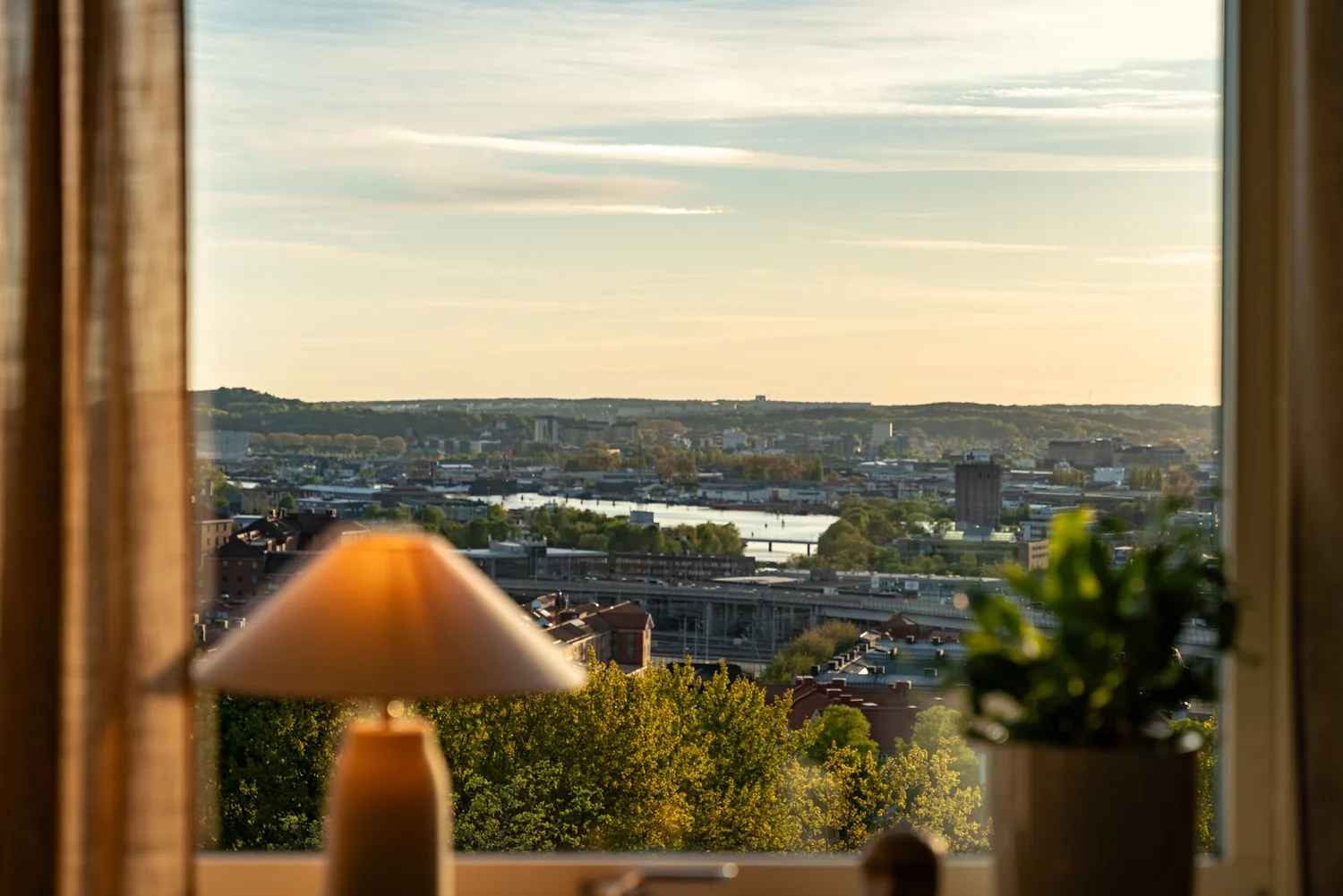
You want to move to Gothenburg and you've found a flat on Blocket. Then you read: Bostadsrätt, tillträde omgående (bostadsrätt, available immediately). Lovely. Except: what exactly is that? And how is it different from a hyresrätt or an andrahand flat?
When you first encounter the Swedish housing market, it feels like a different system, because it is. Three types of housing, three completely different legal situations, and with one of them you could, in the worst case, end up on the wrong side of criminal law without even noticing. Here's what you need to know.
Hyresrätt: the rented flat, and the queue that does exist
A hyresrätt is what you'd know as a normal rented flat in most countries: you rent directly from the landlord, either a municipal housing company or a private owner. You pay rent, you have a tenancy agreement, done. This is called a förstahandskontrakt, a first-hand contract.
And now the point where most guides get it wrong, including this one until recently: Gothenburg has a central queue. It's called Boplats Väst, it's owned by the City of Gothenburg and it handles most of the rental flats in the region. The allocation principle couldn't be simpler: "Bostadssökande som anmält intresse för en lägenhet och uppfyller hyresvärdens villkor turordnas alltid efter kötid." Applicants who have registered interest in a flat and meet the landlord's requirements are always ranked by time in the queue. Not by likeability, not by cover letter, not by willingness to pay.
From that follows the one thing you can do today, even if you're still living abroad: create an account and pay the annual fee. It's 200 kronor for everyone aged 22 and over; for 17- to 21-year-olds the account has been free since 1 January 2026. And here's the trap that quietly costs you: your ködagar (queue days) only start counting from the day the account exists and is paid for. If you sign up and leave the 200 kronor unpaid, you don't collect a single day. If you stop paying later, your account becomes inactive and stops counting, and after two years without payment it's deleted, along with all your ködagar.
Two hundred kronor a year, and the clock is running. It's the cheapest investment of the whole move, and every day you don't make it is lost. How the Gothenburg market around it works, which neighbourhoods are realistic and what the secondary market costs are all covered in my guide to finding a flat in Gothenburg.
Bostadsrätt: you buy a share, not the flat
A bostadsrätt isn't a freehold flat as many countries know it. You buy a share in a housing cooperative, the bostadsrättsförening, and with it you get the permanent right to use a specific flat. Legally, you own a share in the cooperative, not bricks and mortar.
On top of the purchase price, you pay a monthly avgift (fee) to the association. It covers shared costs, maintenance and, this is the part that surprises people, often the interest on the association's debts as well. If the association has borrowed a lot, your monthly costs depend on its interest rate terms, not just your own. If interest rates rise, the avgift rises, and the value of your flat falls, without you having done anything wrong.
That's why the association's annual report is the most important document in the whole purchase, more important than the listing. What to look for in it is covered in my article on checking a bostadsrättsförening.
One advantage that's rarely mentioned: there's no stämpelskatt on a bostadsrätt. The Swedish stamp duty only applies to fastighet, i.e. outright ownership of land. What that means for a house is worked out in my article on stämpelskatt and pantbrev.
Andrahand: legal, but always needs permission
Andrahandsuthyrning means subletting. The first-hand tenant or the bostadsrätt holder lets you have the flat for a period. That's completely normal and completely legal in Sweden, as long as there's permission. And the rules differ depending on the type of housing, something almost nobody knows.
With a hyresrätt, the first-hand tenant needs the landlord's consent or, if the landlord refuses, permission from the hyresnämnd (the regional rent tribunal). To get it, they have to show beaktansvärda skäl, reasons worthy of consideration. The authority gives examples: illness, work or study in another place, or trying out living with a partner. "I want to earn some money on the side" isn't a reason. If they sublet without permission, they risk losing the flat, and you lose your home along with them.
With a bostadsrätt, the hurdle is lower. A reason is enough; it doesn't have to be beaktansvärda. You need consent from the styrelse (the association's board), or alternatively permission from the hyresnämnd. The association may charge a fee for subletting if its statutes allow it: at most ten per cent of the prisbasbelopp (the price base amount) per flat per year. With a prisbasbelopp of 59,200 kronor for 2026, that's a maximum of 5,920 kronor a year.
The one question that protects you from the black market
Gothenburg has a grey housing market, and as a newcomer without a network you'll almost inevitably end up close to it. Since 1 October 2019 the legal position has been clear: anyone who buys a tenancy contract commits a criminal offence. So does anyone who sublets without permission and charges more than their own first-hand rent. The penalty can be up to two years in prison.
That's not a theoretical risk for you but a very practical one: if it comes out, the first-hand tenant loses the flat, and you're out on the street with your belongings, with no claim to anything, because your contract never had any basis.
So here's the one question you ask about every andrahand flat before you sign anything or transfer any money: "Får jag se tillståndet?" Can I see the permission? It either exists in writing or it doesn't exist. If someone dodges the question, brushes it aside or asks you to trust them, they don't have it. Then you walk away. And never pay a deposit in cash for a contract you haven't seen.
What you can actually do in your first week
Create a Boplats account and pay: today, not after the move. Every day is a ködag.
Apply for a personnummer as soon as you meet the requirements. No housing company will assess you without one. Which authority comes in which order is covered in my roadmap to the Swedish authorities.
Take out hemförsäkring. In Sweden, home contents insurance is effectively compulsory: many landlords and associations make it a condition of the contract.
Look for an andrahand flat for six to twelve months, and make sure you've seen the permission. For most people that's the realistic first step.
Leave the neighbourhood question open. Kungsladugård or Majorna? Linnéstaden or Högsbo? That's a better decision to make once you're here. My overview of Gothenburg's neighbourhoods helps you shortlist.
Conclusion
The three types of housing aren't a vocabulary test but three different time horizons. Boplats is the long game you start today and win in years. Andrahand is the bridge that gets you into the city, with permission or not at all. And a bostadsrätt is the decision you only make once you know where you want to stay and can read the association's annual report.
What you'll need to budget each month is covered in my article on the cost of living in Sweden. And if you don't know where to start, that's exactly what I'm here for.
Buying a house in Sweden: practical guide, the in-depth guide on this topic, is currently available in German: view it in the shop.
I'm Sebastian Schiefner, a photographer in Gothenburg, and I help people who are moving to West Sweden with finding a home and buying property. Free intro call.
