Båtplats in Gothenburg: how to find a boat mooring
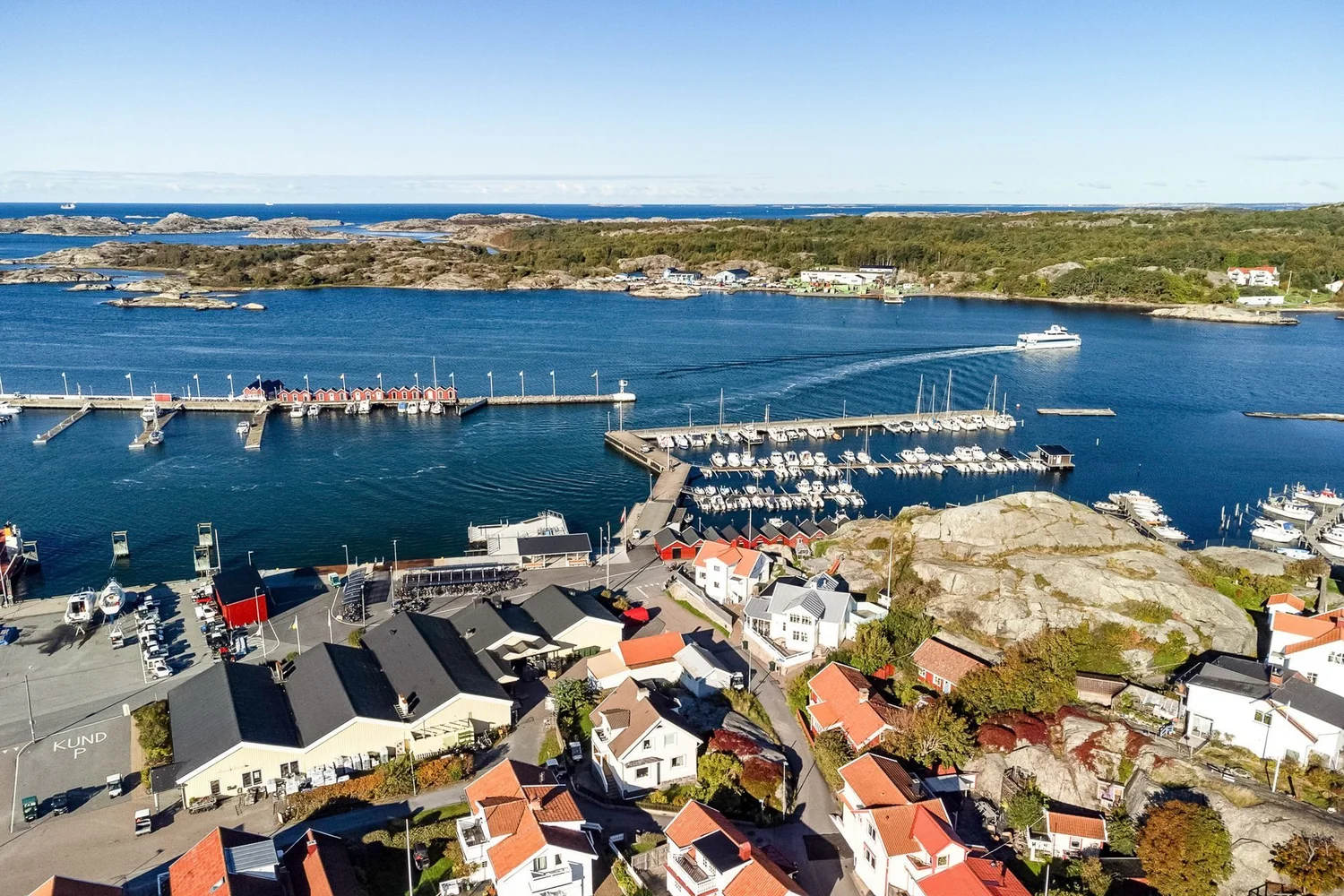
At the end of May the mood shifts on the West Coast. The boats come out of winter storage, the jetties in Långedrag and Saltholmen fill up, and anyone who's new to Gothenburg and dreams of their own boat in the archipelago quickly realises: buying the boat is the smaller problem. The real question is where you keep it.
A båtplats (a mooring or berth) in Gothenburg is scarcer and more sought-after than most newcomers expect. If you don't understand the system, you'll wait for years on the wrong lists or pay double with a private provider. This article explains the three routes to a mooring, how long you'll really wait and what a season costs.
Why moorings are so scarce in Gothenburg
Gothenburg sits right on one of the most beautiful archipelagos in Europe, so a lot of people want a boat here. For decades the city has built far fewer new moorings than demand has grown. The result is a classic waiting-list market, much like rental flats: whoever gets in early wins.
The important thing to understand: there isn't one waiting list but several parallel systems that have nothing to do with each other. If you're only on one list, you're giving away options.
Route 1: the municipal harbours (Grefab)
The municipal leisure harbours in Gothenburg are run by Grefab, a city-owned company (kommunalt bolag) that manages around eleven small-boat harbours across the city, including Saltholmen, Långedrag, Fiskebäck, Hinsholmen and others.
This is how it works:
You sign up for the båtplatskö (mooring queue) via the City of Gothenburg (goteborg.se) and start building up waiting time from then on.
There's an annual köavgift (queue fee) for as long as you're in the queue.
When a berth in your chosen size and preferred harbour becomes available, it's allocated by waiting time.
The catch is the waiting time. According to the city, the average wait is roughly seven to eight years, but the range goes from "available straight away" in unpopular locations to 15 to 20 years in the most sought-after harbours. The queues are particularly long in Hovås and Killingsholmen. And the bigger the boat, the longer the wait, because wide berths are scarcer.
The lesson: join the Grefab queue as soon as you've moved to Gothenburg, even if you don't have a boat yet. Every year in the queue is worth real money. It works just like signing up with Boplats Väst for a rental flat: waiting time is the currency, and you can't buy it retroactively.
Route 2: båtklubbar, the underrated shortcut
The route most newcomers overlook is the båtklubbar, the boat clubs. There are dozens of them around Gothenburg, from small clubs with 50 berths to large facilities.
The advantages:
Often much shorter waiting lists than Grefab; some clubs even have free berths in certain years.
Often cheaper, because the clubs are run by volunteers.
You become part of a community, which is very useful on the West Coast when the weather turns or you need help launching.
The price for this: arbetsplikt (work duty). Most clubs expect members to help out with shared tasks a few days a year: repairing the jetty, maintaining the slipway, the spring harbour clean-up. If you find that a nuisance, this isn't for you. If you see it as part of Swedish föreningsliv (club and community life), you'll often find your feet here faster than anywhere else.
One example: some clubs have recently scrapped the registration and waiting-list fee that used to be standard, and are reporting free berths in 2026. You have to actively look for windows like that; they don't show up on any central platform. You'll find the list of båtklubbar in one place at batklubbar.se; after that it's worth emailing the clubs near you directly.
Route 3: private bryggor and marinas
The fastest route is also the most expensive: private jetties and marinas. If you don't want to wait, you're more likely to find a mooring at short notice with private providers, at sailing clubs such as GKSS, or through private rental of individual berths (often via Blocket or local Facebook groups).
What you need to factor in:
Higher seasonal prices, sometimes double or more compared with a club or the municipality.
Some private berths are let andrahand (second-hand): you rent an owner's berth for one or more seasons. That's flexible but not as secure as your own berth; get it in writing whether it will be extended, and for how long.
In Bohuslän outside the city (Öckerö, Kungälv, Tjörn, Orust), waiting lists are generally shorter and prices often more moderate. The trade-off is the travel time to your boat.
For many newcomers the pragmatic way in is: get on the water in the first season with a private or andrahand solution, sign up for the Grefab queue and with two or three clubs at the same time, and switch to a cheaper permanent berth in the following years.
What a mooring really costs
Honesty matters more here than a neat figure: prices depend heavily on boat size, harbour and type of berth, and they've risen noticeably in recent years. A rough guide to the running costs per season:
Club/municipal mooring: depending on size and location, from a few thousand to over ten thousand SEK per season. The current Grefab price list is available as a PDF on goteborg.se; check it again before each season.
Private marina: considerably more, often one and a half to two times as much.
Winter storage (vinterförvaring/uppställning): almost always comes on top: a spot on land, often several thousand SEK extra.
Köavgift: a small annual fee for as long as you're only in the queue.
On top of that come the costs many people forget with their first boat: insurance, lifting in and out in spring and autumn, bottenfärg (antifouling), maintenance. A mooring is the start of the bill, not the end.
Types of mooring: brygga, boj or trailer
Not every berth is the same. There are three basic types:
Bryggplats: you tie up directly at the jetty, usually with electricity and water. The most convenient and most expensive option.
Bojplats: you tie up to a buoy in the water and row out to your boat in a dinghy (jolle). Cheaper but less convenient, and not practical for every boat.
Trailer/land: smaller boats stay on a trailer and are launched when needed. No permanent water berth required, but you pay launching fees and need a car with a tow bar.
If you have a small motorboat of up to around six metres, you can often manage with a trailer and launching, with no waiting list at all. That option almost always gets lost in the mooring debate.
The seasonal logic: why now is the right moment
The Swedish boating rhythm runs to a clear schedule, and May is the decisive month:
April–May: boats come out of winter storage, clubs allocate berths that have become free, andrahand listings pile up.
June–August: high season on the water. If you only start looking now, you'll struggle to find anything affordable.
September–October: boats go into winter storage, and individual berths become free.
If you don't have a berth yet in 2026 but want to get on the water this summer, act on several fronts now: join the Grefab queue (for the future), email two or three båtklubbar directly (for the medium term), and look specifically for andrahand or trailer solutions for this season.
Before you look for a mooring: two things to sort out
A mooring alone won't get you on the water. There are two other things you should sort out at the same time:
First, insurance. Swedish boat insurers require proof of qualification for larger boats, and that's closely linked to the boating licence. How that works in Sweden and what a licence from your home country (such as the German Sportbootführerschein) is worth is covered in detail in the boating licence guide.
Second, understanding nature here. The archipelago isn't your local swimming lake back home. What you're allowed to do where (mooring, staying overnight, going ashore) is governed by the Swedish right of public access, and that's both more generous and stricter than most people think. More on this in the allemansrätten guide.
Bottom line: sign up before you buy the boat
The most important sentence in this article: signing up for the Grefab queue and with two or three båtklubbar costs you almost nothing today, but every year you put it off is waiting time you'll never make up. Just like looking for a flat in Gothenburg, the queue is the real hurdle, not the money.
If you plan realistically, you'll combine all three routes: the municipal queue for the affordable berth in a few years, a club for medium-term security and community, and a private or trailer solution for the first summer. Then nothing stands in the way of your first trip through the archipelago between Vrångö, Brännö and Marstrand.
Buying a House in Sweden: Practical Guide, the in-depth guide on this topic, is currently available in German: see it in the shop.
I'm Sebastian Schiefner, a photographer in Gothenburg, and I help people who are moving to West Sweden with finding a home and buying property. Free intro call.
