Sotning in Sweden: the chimney rules every house buyer should know
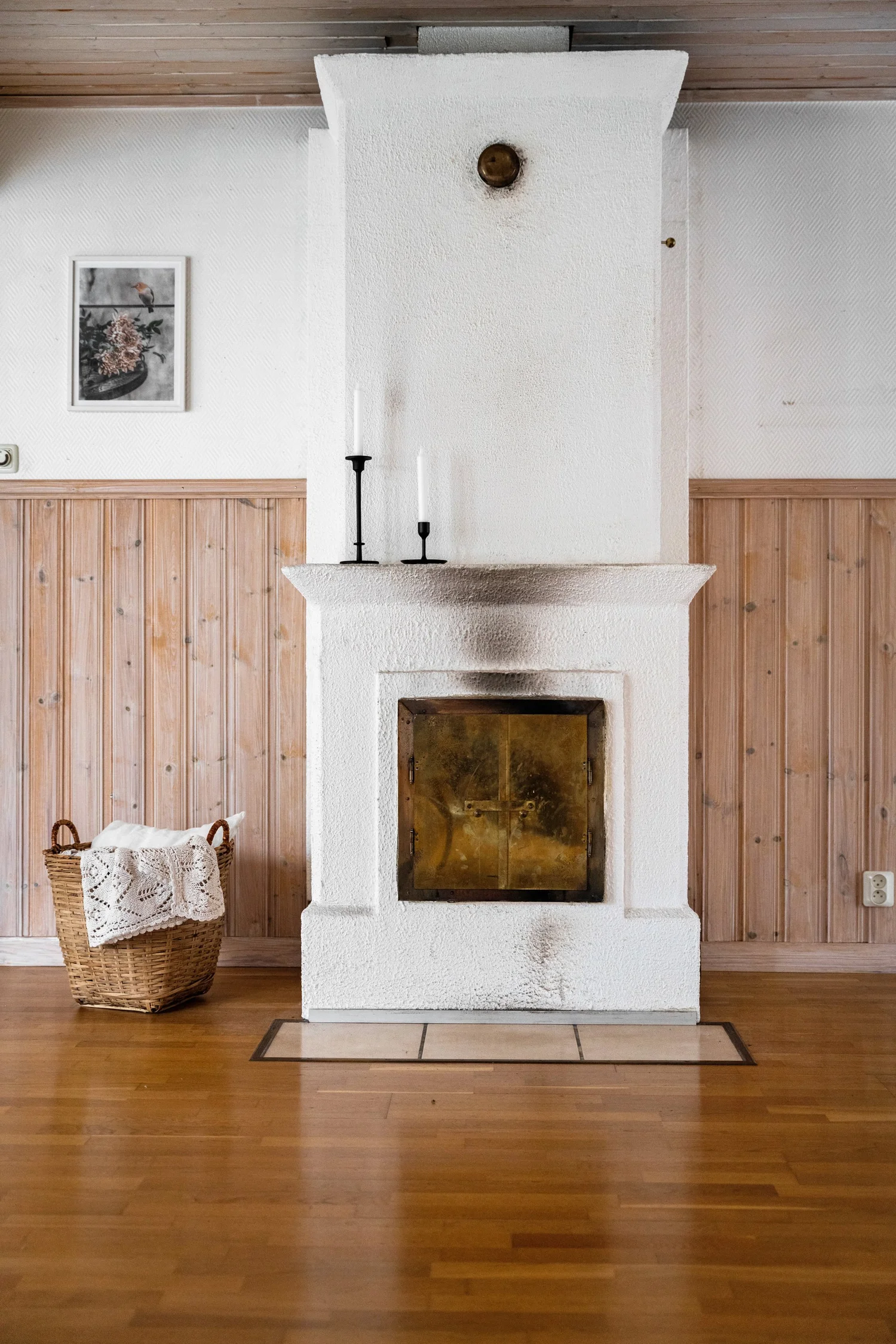
You're buying a stuga (cottage) in Bohuslän. Red timber extension, a new tiled stove in the living room, a cast-iron range in the summer wing. The mäklare (estate agent) slides the energy certificate across the table, the bygglov (building permit) for the porch roof, the association minutes, the energideklaration. You ask for the sotningsprotokoll, the chimney-sweeping record. Pause. "Det måste finnas någonstans", it must be around here somewhere. That's exactly where the problem starts.
In Sweden, the chimney-sweeping obligation is neither a recommendation nor a service from the friendly sweep next door. It's laid down in law in the Lag om skydd mot olyckor (2003:778, the Civil Protection Act) and in the associated regulation MSBFS 2014:6. Every house with a fireplace, tiled stove, pellet stove, cast-iron range or wood heating is subject to two different compulsory inspections: sotning and brandskyddskontroll. If you don't check the sotningsprotokoll when you're buying a house, in the worst case you take over a chimney that needs 30,000 to 80,000 SEK of repairs before it may be used again.
Sotning is one of several obligations that pass to you along with the house. With a summer house in particular, obligations like these add up. Which others come with buying a summer house as a newcomer is covered in the guide on that topic. I've described the process of buying a house in Sweden separately. And one more connection many people overlook: a brandskyddskontroll that hasn't been carried out can cost you the cover of your villaförsäkring (house insurance) if something happens.
The two separate inspections newcomers always mix up
Sotning and brandskyddskontroll are often mentioned in the same breath, but they are two different processes with different intervals, tasks and consequences.
Sotning is the regular cleaning of the fireplace or stove and the flue: soot, tar and deposits from the chimney and from the stove itself. It's there for fire safety, because a build-up of soot can lead to chimney fires. The interval depends on the fuel and how the appliance is used: for wood heating as the main heat source, usually every two years; for a tiled stove as a secondary heat source, every four years; for a fireplace used only at weekends in the stuga, often every four years. The exact intervals (frister) are set by the municipality and published in its sotningsfristbeslut.
Brandskyddskontroll is the less frequent but more thorough check: a technical fire-safety inspection of the whole installation, covering the chimney construction, masonry, seals, distance to combustible materials and the function of the damper. The interval is three or six years, depending on the type of installation. The brandskyddskontroll isn't about whether the chimney is clean, but whether it's safe. And that's exactly where the expensive findings turn up.
Who does it, and why it's not the chimney sweep you know from home
In Sweden, sotning is organised by the municipalities, not nationally through a trade guild as it is in Germany, for example. Each municipality tenders the mandate for sotning and brandskyddskontroll to a private provider under a concession. In Gothenburg that's currently Sotningsdistrikt Väst AB; in the Bohuslän municipalities of Tjörn, Orust and Lysekil, other local sweeps (sotare) are responsible. The sotarmästare (master sweep) in charge has a monopoly on the brandskyddskontroll mandate in their district. Since the 2003 reform, you can have the regular sotning done either by the municipal sweep or by a certified private provider, but the brandskyddskontroll only by the district sweep holding the concession.
In practice this means the appointment comes to you, not the other way round. You get written advance notice by post (or digitally, if you're connected to Kivra) with the date, time and price. If you're not at home, you arrange a new appointment. If you repeatedly refuse the visit, you risk an eldningsförbud. That's exactly what it sounds like: an official ban on using your fireplace, entered in the municipal register and, when it comes to insurance, a total exclusion.
Free
Thinking about buying a house in Sweden?
Book a free 15-minute call with me and bring your questions about moving and buying, from the personnummer to the house purchase.
What sotning costs, and why the brandskyddskontroll is more expensive
Prices are regulated by the municipality and can't be freely negotiated. For Gothenburg and Bohuslän, the typical rates in 2026 are within this range:
A standard sotning for a fireplace or tiled stove costs between 700 and 1,200 SEK including VAT, depending on the installation and the travel zone. For a stuga in an outer archipelago zone, travel surcharges can push the price up to 1,500 to 2,000 SEK. The sweep comes by ferry, and that shows on the bill.
The brandskyddskontroll costs considerably more: 1,800 to 3,500 SEK for a single chimney with one connection. With several fireplaces or stoves (a stuga with two stoves, a main fireplace plus a summer fireplace) the costs add up. Many owners only understand the extra cost compared with sotning when the bill arrives.
One point buyers regularly get wrong in their calculations: there is no ROT deduction (rotavdrag) for the compulsory sotning and the brandskyddskontroll. Skatteverket explicitly only allows the deduction for sotning that goes beyond the compulsory municipal one, and excludes the inspection of fireplaces and chimneys. Masonry work on the chimney or tiled stove, on the other hand, does qualify for rotavdrag: if the inspection turns into a repair, you get back 30 per cent of the labour costs, at most 50,000 SEK per person per year. For that you need a personnummer. If you don't have one yet in the first weeks after moving, you pay the full bill.
When you buy: what belongs in the appendix to the köpekontrakt
This is the part I rarely see explained properly in guides for people moving to Sweden. When you buy a house or stuga with a fireplace or stove, two documents should be part of the sale documents attached to the köpekontrakt (purchase contract):
The sotningsprotokoll from the last cleaning: dated, signed by the responsible sweep, stating when the next sotning is due. If it's missing or older than the required interval, the buyer doesn't know whether the installation has been unused for years or whether the owner has been putting off the compulsory cleaning. Either way it's a warning sign, and either way it costs money.
The brandskyddskontroll report from the last inspection, by far the more important document for buyers. This is where the structural findings are recorded: cracks in the chimney masonry, leaking dampers, missing fire-safety clearances, damage to the masonry from frost or settlement. An "ej godkänd" finding (not approved) means the installation may not be used until it has been repaired. Repair costs range from 5,000 SEK for a new seal, through 30,000 to 50,000 SEK for relining the flue with a stainless steel liner, up to 80,000 SEK and more for completely rebuilding the chimney in an old Bohuslän summer house with a granite fireplace.
If the brandskyddskontroll report is missing from the appendix to the köpekontrakt or contains an "ej godkänd" finding, it belongs in the price negotiation. Mäklare almost always respond to this point. They know a well-informed buyer is right, and nobody wants to see a deal fall through over 50,000 SEK of repairs.
A practical sequence for buyers
Three things you should do at every viewing of a house or stuga with a fireplace or wood heating:
One: ask for the sotningsprotokoll and the brandskyddskontroll report. The mäklare and seller are obliged to hand them over if you ask. Delay or "we'll send it on later" is a warning sign. The document either exists or it doesn't.
Two: check the date of the next brandskyddskontroll. If the next inspection is due within the next twelve months, you'll have an appointment and potential findings on your hands straight after the purchase that haven't been priced in yet. With a stuga whose fireplace hasn't been used, a first brandskyddskontroll after a long break can bring unpleasant surprises.
Three: if repairs are needed, bring in an independent besiktningsman (inspector). A separate inspection of the fireplace by an expert (not someone close to the mäklare, but a neutral chimney technician) costs 1,500 to 4,000 SEK and can make the difference between a realistic purchase price and an 80,000 SEK bill afterwards. My local contacts in Gothenburg and Bohuslän include chimney technicians who routinely carry out these assessments before purchase decisions.
Not using the fireplace? You still have to pay
One last point buyers often misunderstand: if you don't want to use the fireplace at all after buying, you can have the sotning suspended under certain conditions. To do that, you submit what's called an "anmälan om upphörd användning" to the municipality, a written declaration that the fireplace or stove has been taken out of use. If the municipality accepts it, the regular sotning no longer applies, but the brandskyddskontroll does, and continues at the normal interval, because an unused installation can still deteriorate structurally.
If you buy an old stuga and want to "renovate the fireplace at some point later", don't handle it informally. A missed notification leads to reminders, then fines (2,000 to 5,000 SEK per missed sotning) and, if it happens again, an eldningsförbud, which the next buyer will also notice and which reduces the resale value.
The key point in one sentence: sotning is the cleaning, brandskyddskontroll is the safety inspection, both are required by law, both are handled through the municipality, and when you buy a stuga or house with a fireplace or stove, the brandskyddskontroll report often says more about how much you'll really need to invest than the energy certificate does.
If you have a property with a fireplace or wood heating in Gothenburg or Bohuslän on your shortlist and aren't sure what the sotningsprotokoll really says, get in touch. The intro call is free, takes 15 minutes and is often enough for the typical questions before a bidding process. Book a time.
Read on:
- Brunn and enskilt avlopp: what stuga buyers in Bohuslän really need to check
- Strandskydd: why you can't simply build a jetty on your waterfront plot
- Reading Hemnet properly: decoding Swedish property listings
Buying a house in Sweden: practical guide, the in-depth guide to this topic (currently available in German): view it in the shop.
I'm Sebastian Schiefner, a photographer in Gothenburg, and I help people who are moving to West Sweden with finding a home and buying property. Book a free intro call.
